
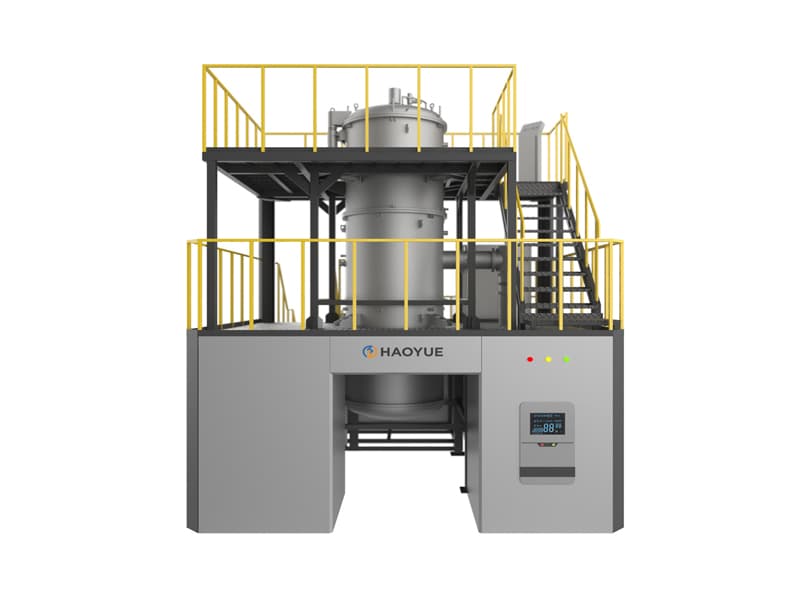
Hydrogen furnace

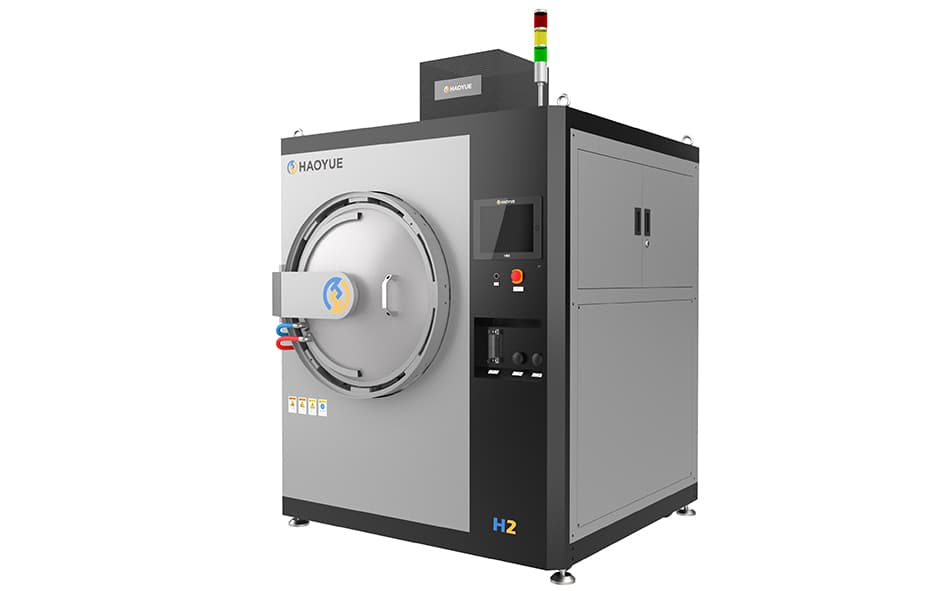
H Series hydrogen furnaces for clean reducing-atmosphere processing.

Use the H Series for hydrogen or mixed-atmosphere heating, brazing, debinding, and high-temperature treatment where gas purity and safety logic are part of the process.

Hydrogen furnace equipment
H-SERIES

Process window

What this family is built to control.

01

Hydrogen atmosphere control

02

Vacuum purge cycles

03

Safety interlocks

04

Brazing and heat treatment

Process definition

What this family is for.

A hydrogen furnace heats parts in pure hydrogen or a hydrogen-containing gas mixture, usually after vacuum purging, so the reducing atmosphere removes surface oxides during brazing, debinding, sintering, or annealing. Because hydrogen is flammable, gas purity, purge sequence, burn-off or venting, and safety interlocks are designed as part of the process.

Selection boundary

When to choose this family.

  • The process needs a reducing atmosphere to keep surfaces oxide-free, for example hydrogen brazing or metallized ceramic processing.
  • Binder removal or sintering must take place in hydrogen or a mixed gas rather than vacuum or inert gas.
  • Vacuum purge cycles are needed before and after the hydrogen stage for safety and purity.

Inquiry inputs

What to prepare before quotation.

  1. 01Material, part geometry, and the reducing or brazing step required
  2. 02Maximum temperature, hold profile, and cooling limit
  3. 03Gas type, hydrogen content, purity, flow, and vacuum purge requirements
  4. 04Batch size, fixtures, and work zone
  5. 05Site gas supply, ventilation, exhaust, and local safety requirements

FAQ

Questions buyers ask before model comparison.

Why use a vacuum hydrogen furnace instead of a vacuum furnace?

Vacuum alone prevents oxidation, but a hydrogen atmosphere can actively reduce surface oxides. That matters for processes such as hydrogen brazing, metallizing, and some sintering routes.
What safety features does a hydrogen furnace need?

Typical items include vacuum or inert purging before and after hydrogen use, gas monitoring, controlled venting or burn-off, interlocks on doors and gas valves, and alarms. The exact scope follows the site and local safety requirements.

What should be sent for a hydrogen furnace inquiry?

Send the material and process step, temperature profile, gas type and purity, part and batch size, and site gas and exhaust conditions. See the hydrogen furnace process and site planning guide for a full list.

Equipment gallery

Models in this process family.

2+ representative models

Suitable materials

metallized ceramicselectronic assembliesstainless alloyspowder metallurgy

Typical applications

Hydrogen brazingDebindingElectronic packagingControlled atmosphere treatment

Models and scale-up

Start small. Configure for the stage you are in.

Discuss the right model ↗
ModelScaleTemperaturePressure / loadAtmosphereBest for
H1Lab / pilotProject matchedNo mechanical loadH2 / mixed gasHydrogen process developmentView model ->
H5Pilot / productionHigh temperatureNo mechanical loadH2 / mixed gasProduction hydrogen treatmentView model ->

Next step

Bring the material and target. We will review the route.

Start review ↗
WhatsApp