
Indicative TRL 2-3
Process screening
Review material behavior, tooling concept, atmosphere, temperature, and measurement method on a controlled laboratory route.
Huayue Laboratory
Develop the process window with laboratory and pilot systems, then connect the validated route to an industrial configuration.
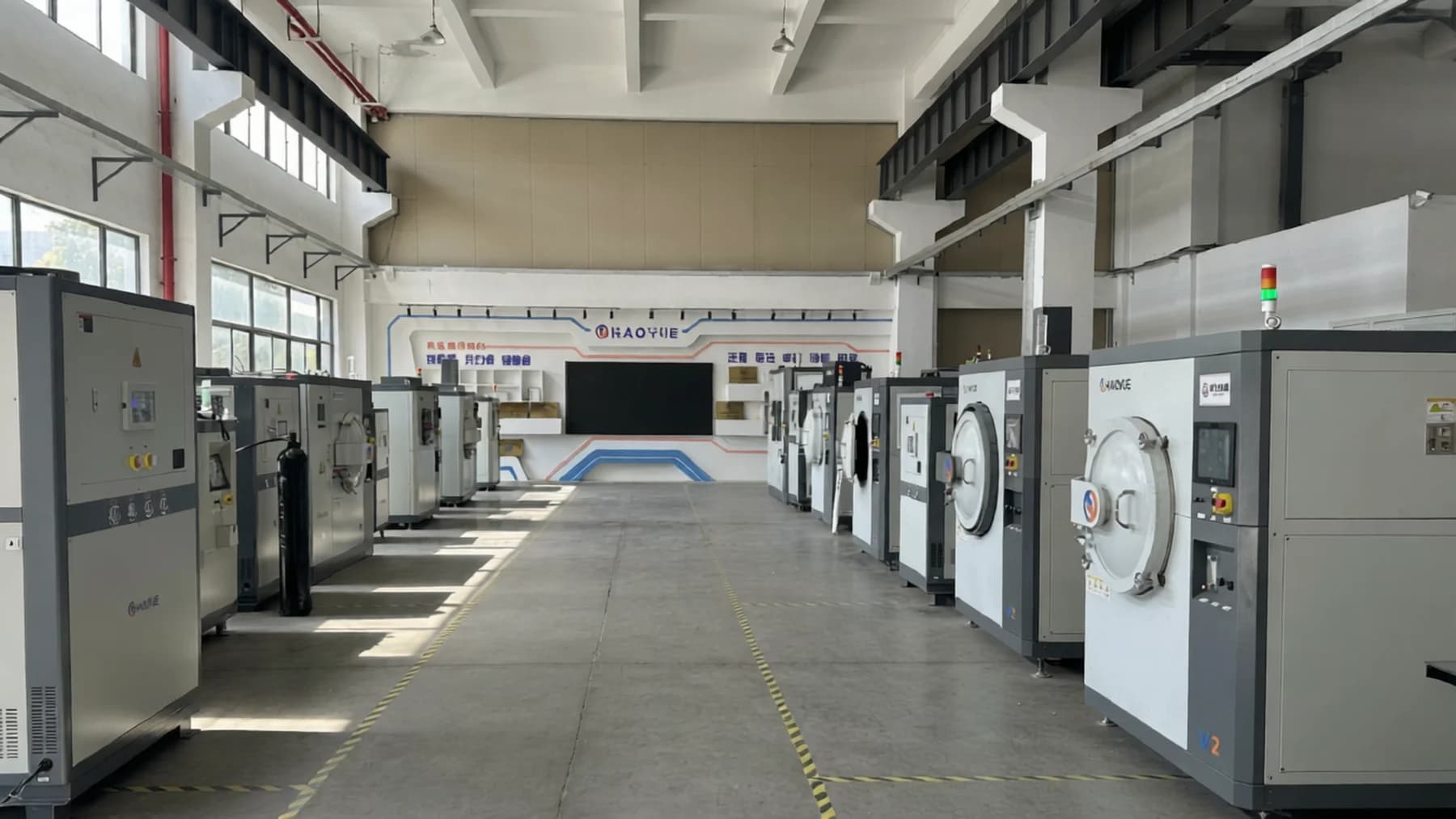
Huayue Laboratory supports advanced sintering and specialty bonding projects through material assessment, process development, sample validation, pilot work and small-batch processing.
Huayue Laboratory's published facility description states a 3,000 m2 advanced-materials R&D and pilot center with more than ten laboratory and industrial furnace systems. Current availability, capacity, schedule, and test scope are confirmed for each project.
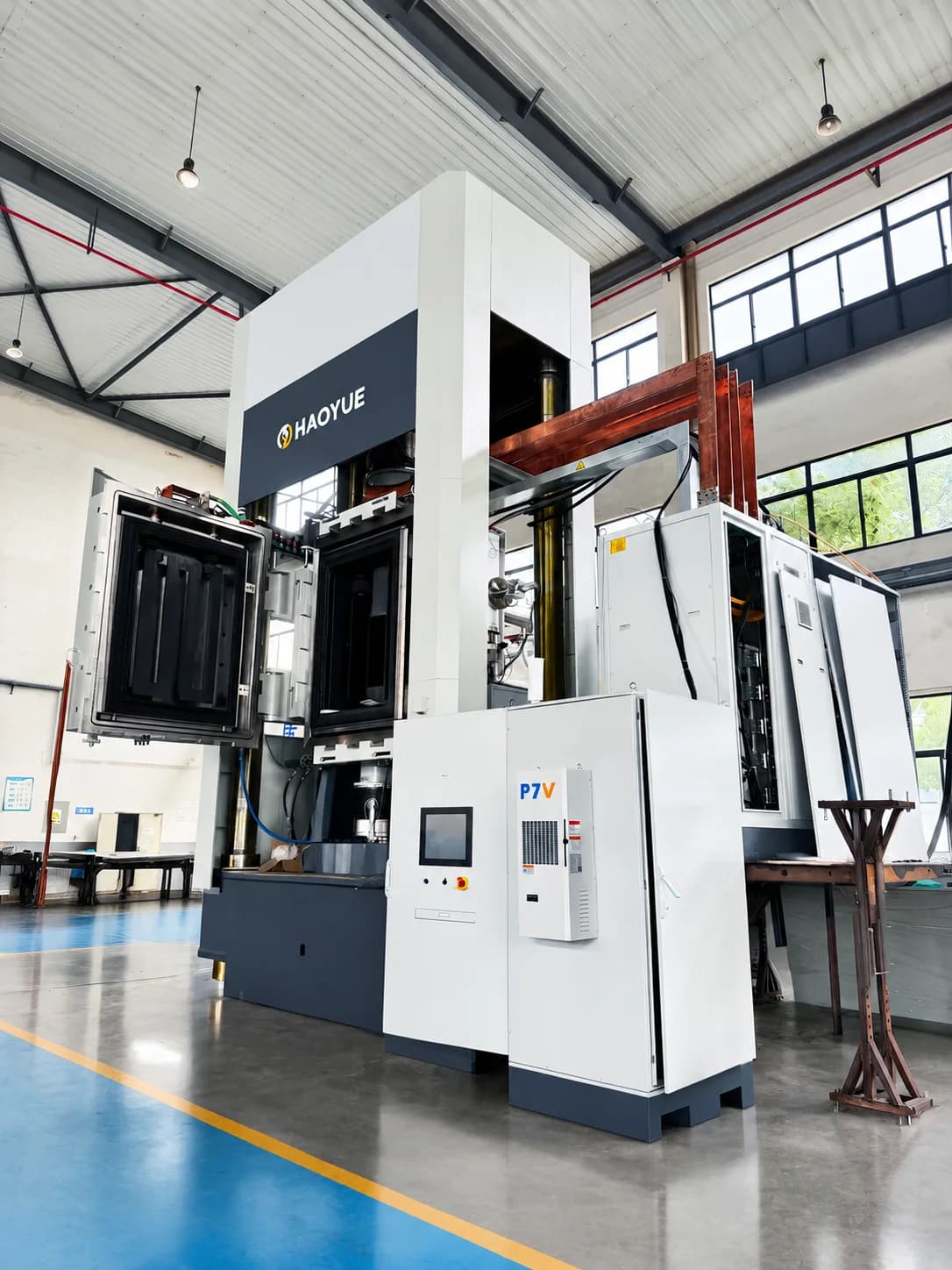
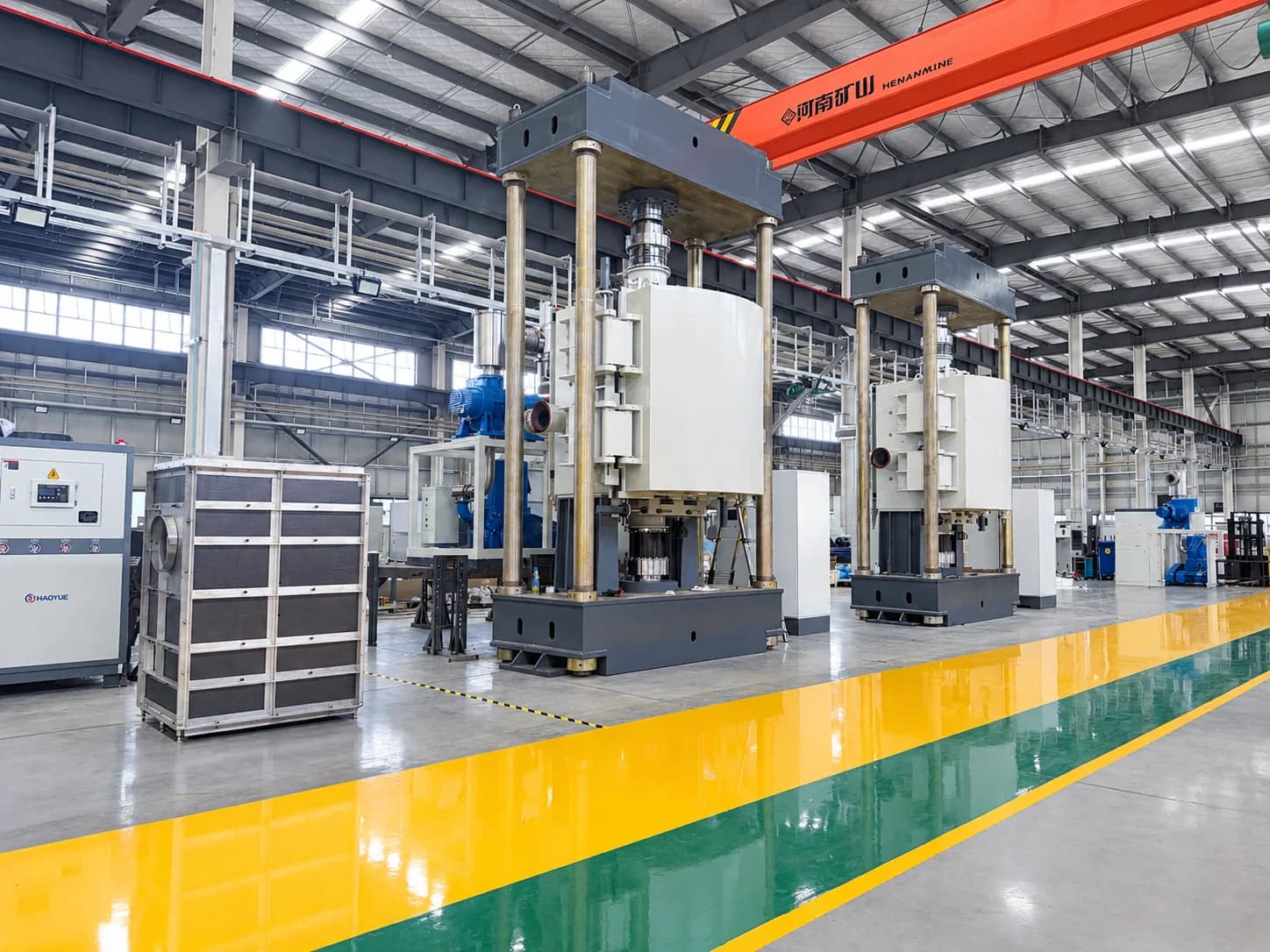
The laboratory develops and verifies the route. Haoyue engineering translates the confirmed process window into an equipment configuration for the required scale.
TRL alignment depends on the customer's validation method and industry. These stages organize the discussion and do not assign a formal readiness level to a material or product.
Indicative TRL 2-3
Review material behavior, tooling concept, atmosphere, temperature, and measurement method on a controlled laboratory route.
Indicative TRL 4-5
Repeat an agreed process window and compare recorded channels, sample setup, and the selected inspection method.
Indicative TRL 5-6
Evaluate larger tooling, repeated batches, operator steps, data records, and the constraints that affect scale-up.
Indicative TRL 6-8
Translate the approved process boundary into an industrial equipment, utility, acceptance, and handover plan.
S1, S2, S3, and S4 laboratory or pilot systems for rapid pressure-assisted densification.
Vacuum or protective-gas sintering, annealing, degassing, brazing, and heat-treatment route review.
Tooling, temperature, atmosphere, load path, stroke, and sample geometry reviewed together.
Ceramic trials reviewed around gas type, pressure cycle, thermal profile, safety, and inspection method.
Material stack, surface preparation, fixture, bonding area, vacuum, heat, load, and inspection planning.
Scale-up connects the trial record to tooling envelope, effective zone, load or pressure, atmosphere, cooling, power, controls, throughput, utilities, and acceptance evidence.
For SPS, S1-S4 cover laboratory and pilot development. Industrial S-150, S-200, S-300, S-400, S-200S, and configured continuous systems are reviewed only after the process and capacity boundary is clear. Other validated routes transfer to the corresponding V, P, G, D, I, H, or C Series configuration.
Compare equipment fieldsA useful brief gives the lab enough information to select a route, equipment class and validation boundary.
The laboratory team will review the trial path and the evidence needed before equipment scale-up.
Response timing is confirmed after scope review.