
How do I choose hot-zone material?
Compare graphite, molybdenum, tungsten, and induction options against temperature, vapor pressure, cleanliness, workpiece chemistry, and maintenance strategy.
Vacuum furnace
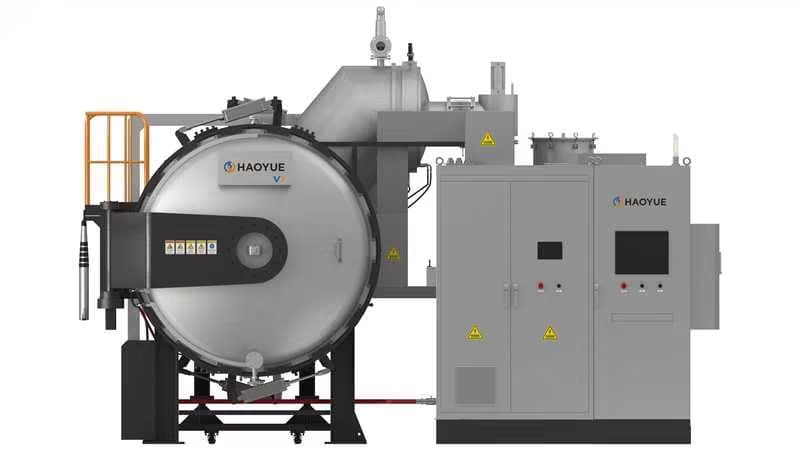
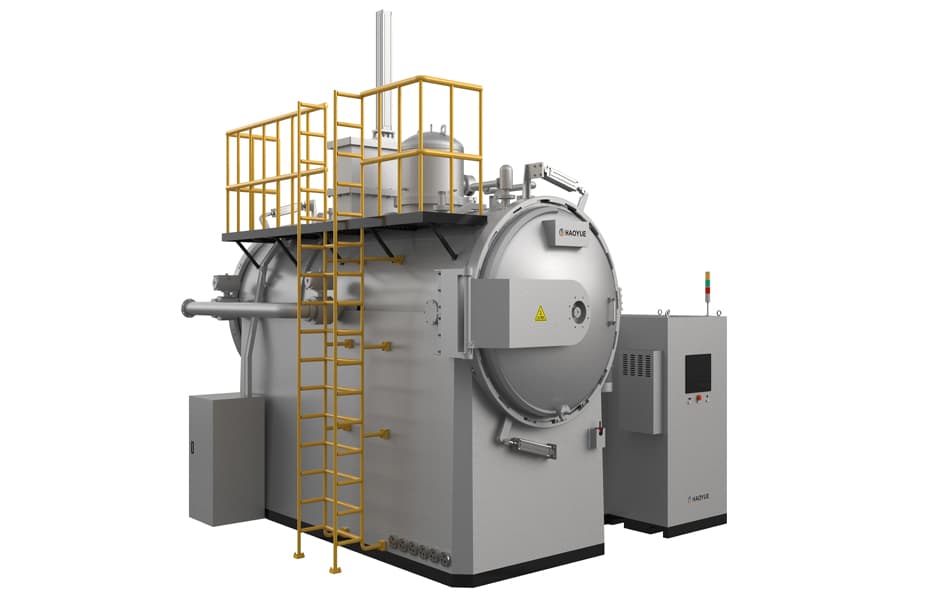
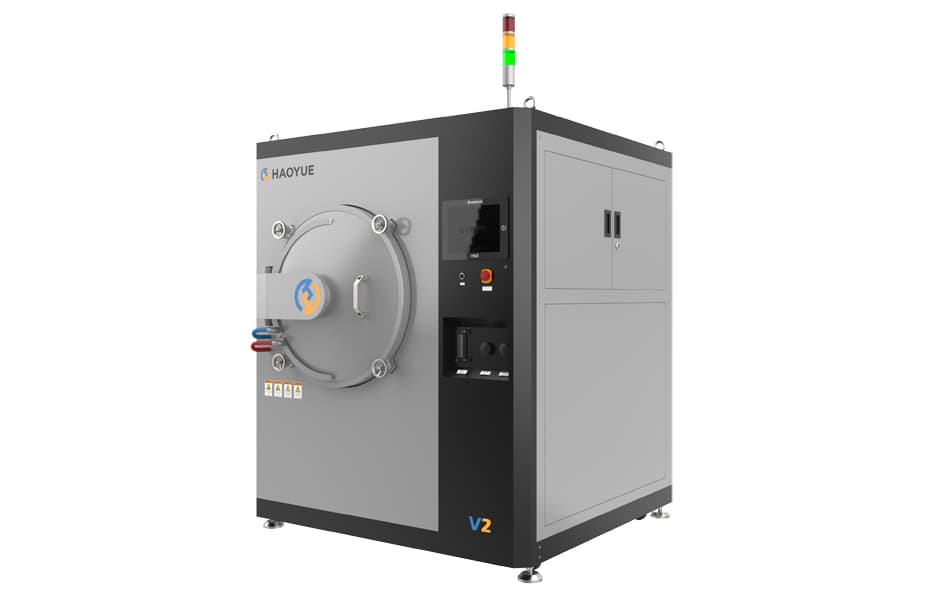
Use the V Series for sintering, annealing, degassing, brazing, and controlled high-temperature treatment under vacuum or protective gas.
Process window
Process definition
The V Series covers vacuum and controlled-atmosphere furnaces for sintering, annealing, brazing, degassing, and related heat treatment. Hot-zone material, pump train, gas package, cooling, and work-zone size are selected against contamination limits and batch objectives.
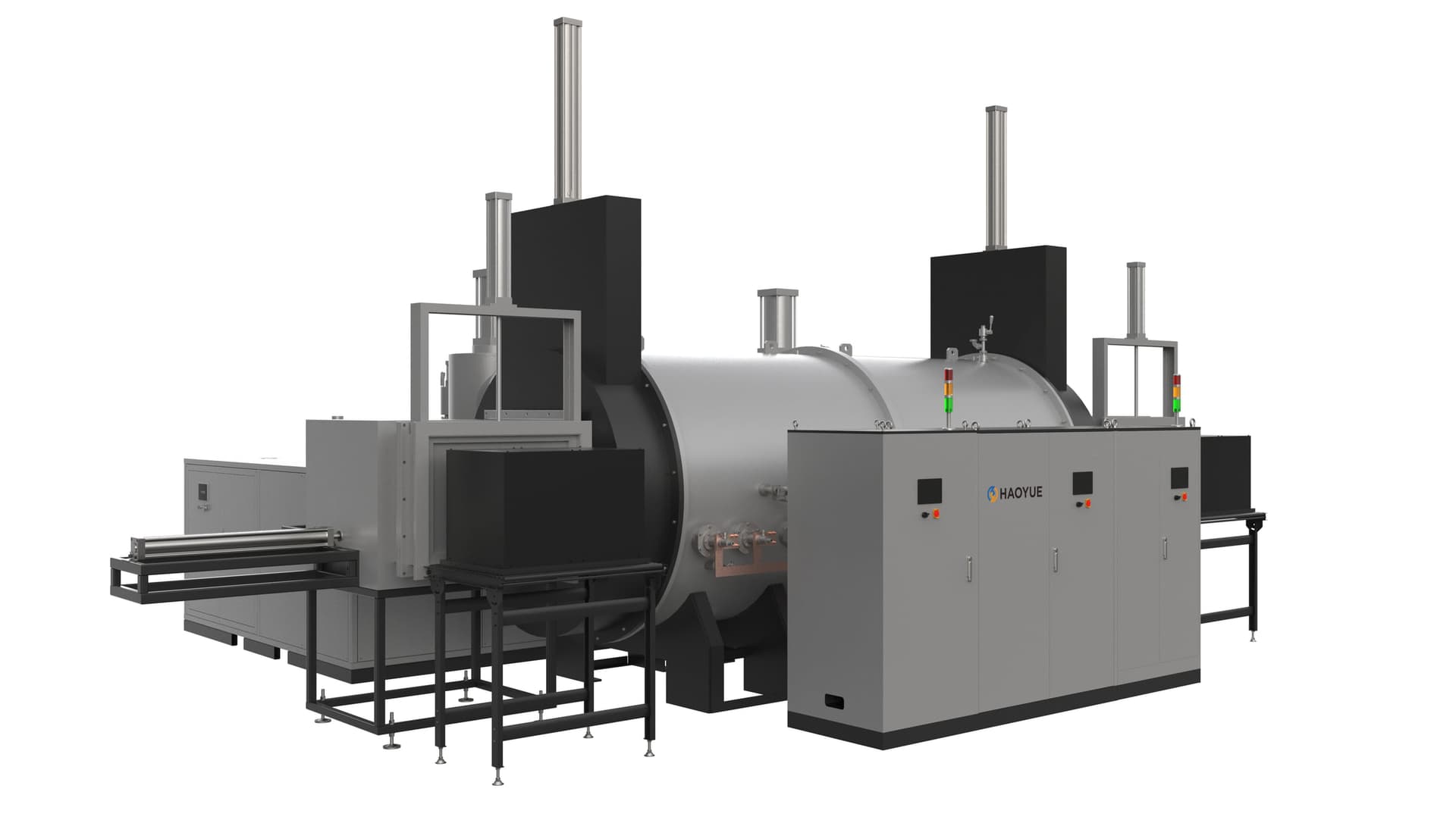
Laboratory vacuum furnaces support process development; graphite and metal hot-zone variants address different temperature and cleanliness needs; continuous systems are scoped for confirmed production flows.
Selection boundary
Inquiry inputs
FAQ
Compare graphite, molybdenum, tungsten, and induction options against temperature, vapor pressure, cleanliness, workpiece chemistry, and maintenance strategy.
Not always. Many routes combine pump-down, partial pressure, and inert-gas steps. Define the full atmosphere profile before fixing the pump and gas package.
Material, temperature profile, vacuum or gas needs, fixture envelope, batch size, cooling limits, and destination country.
Next useful pages
Equipment gallery
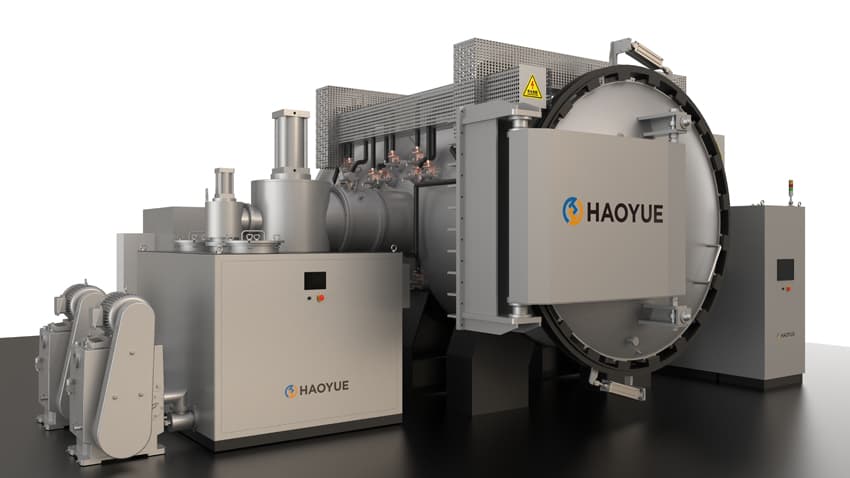
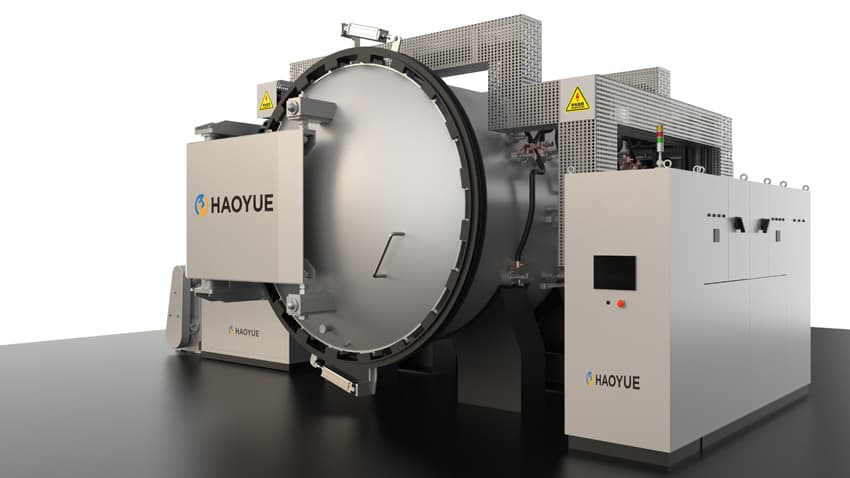
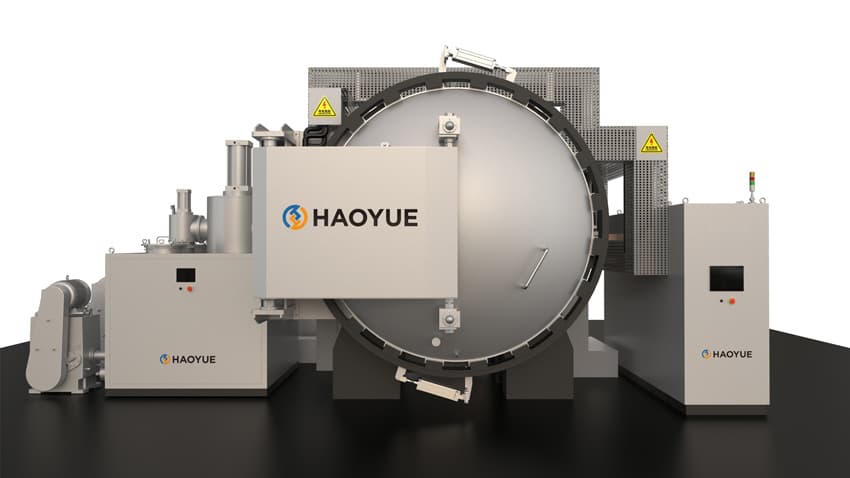
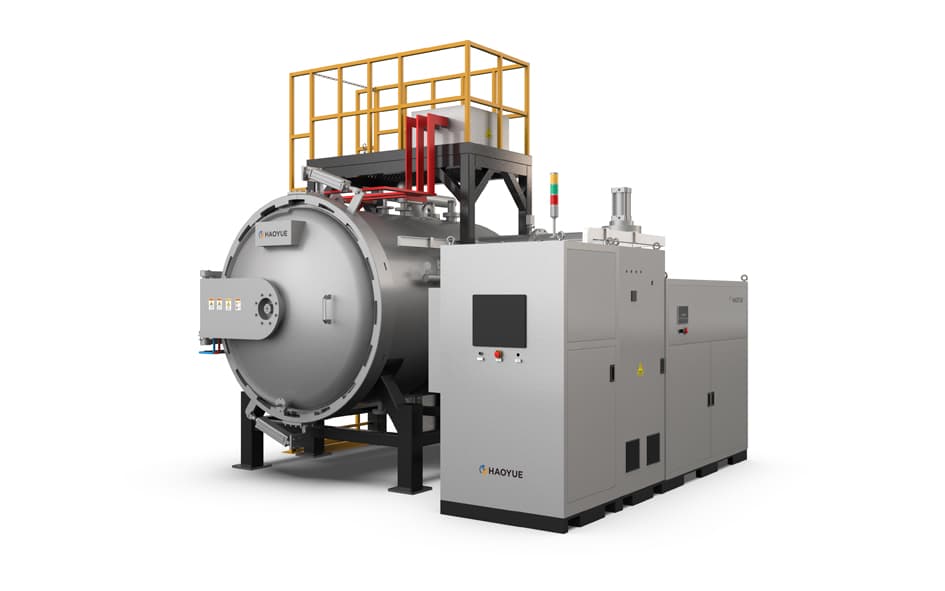
Suitable materials
Typical applications
Models and scale-up
| Model | Scale | Temperature | Pressure / load | Atmosphere | Best for | |
|---|---|---|---|---|---|---|
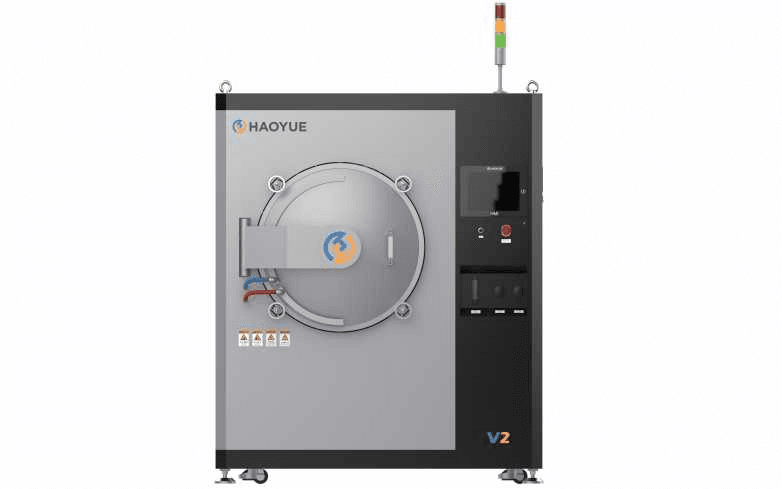
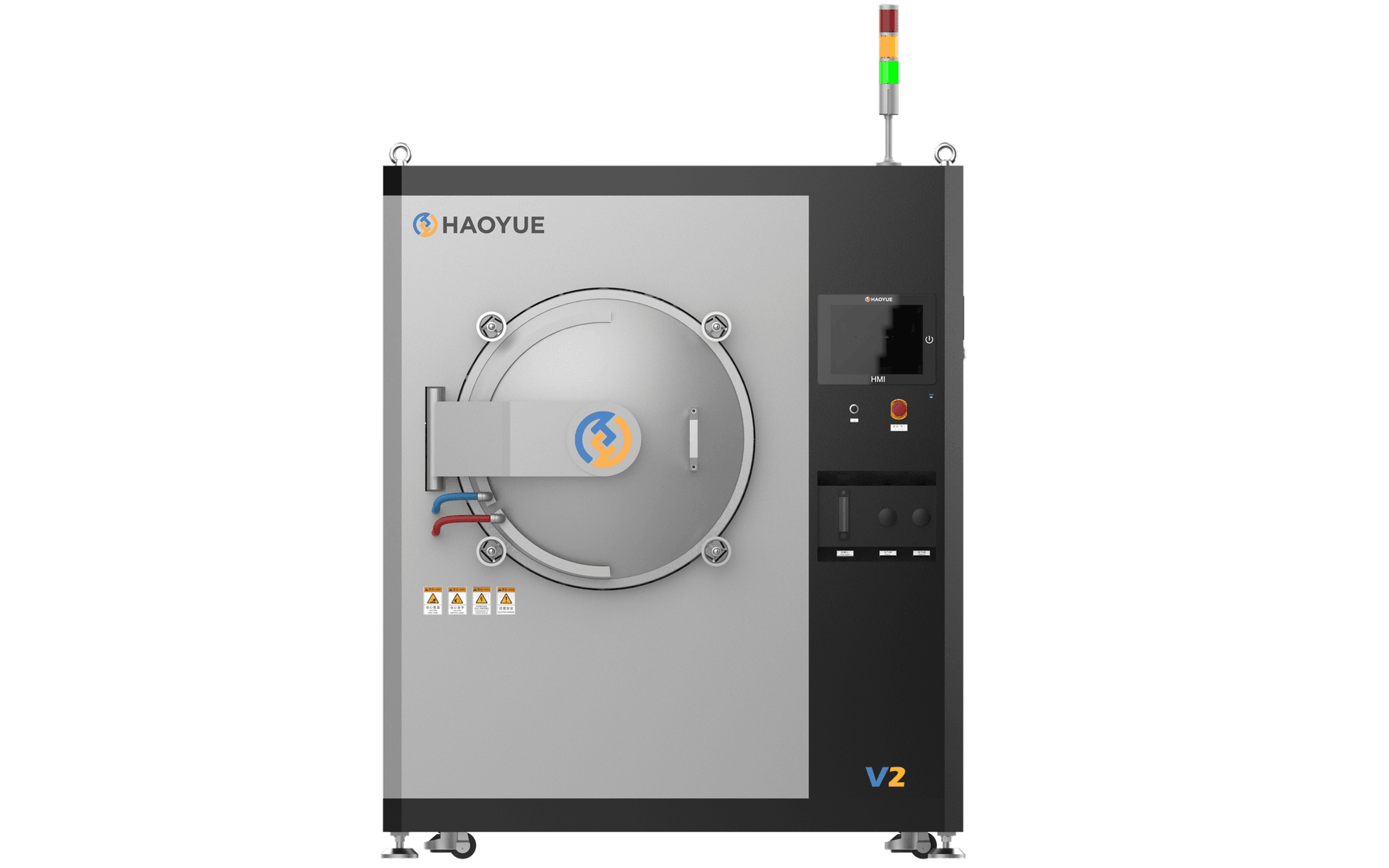
| V2 | Lab / pilot | Project matched | No mechanical load | Vacuum / inert gas | General vacuum heat treatment | View model -> |
| V4 | Pilot / production | High temperature | No mechanical load | Vacuum / inert gas | Graphite hot-zone furnace needs | View model -> |
| V5 | Pilot / production | High temperature | No mechanical load | Vacuum / inert gas | Molybdenum hot-zone processes | View model -> |
| V7 | Special process | Ultra-high temperature | No mechanical load | Vacuum / inert gas | Tungsten hot-zone requirements | View model -> |
| V10 | Production | Project matched | No mechanical load | Vacuum / protective gas | Continuous processing | View model -> |
Next step
Understand how vacuum, inert gas, process gas, and pressure control affect high-temperature furnace configuration and material results.
Compare diffusion bonding and brazing by joint design, surface preparation, temperature, pressure, atmosphere, tooling, and inspection requirements.
A practical guide for choosing between a vacuum furnace and a vacuum hot pressing furnace for ceramics, metals, composites, and powder materials.
Compare graphite, molybdenum, and tungsten hot-zone choices for high-temperature vacuum furnace projects.
Response timing is confirmed after scope review.