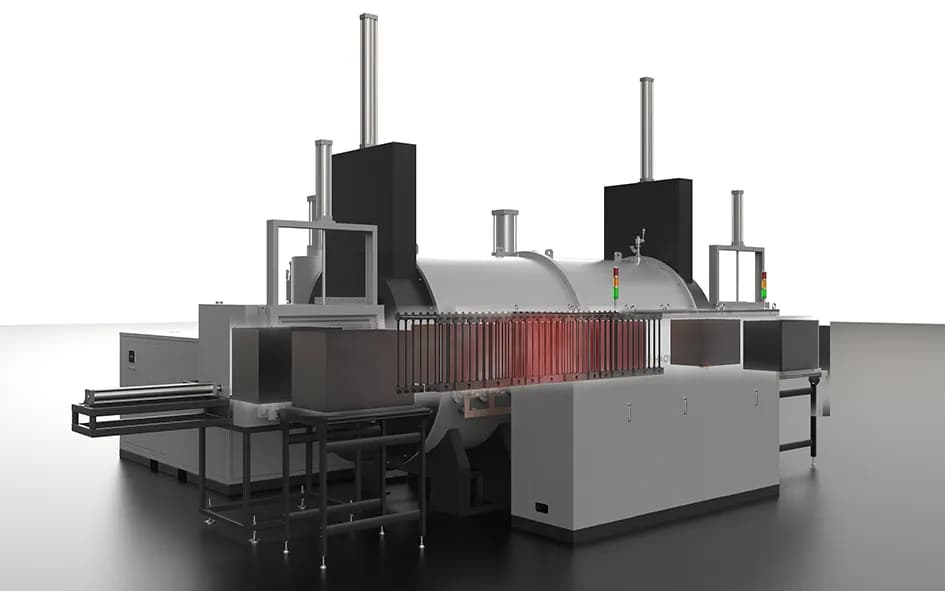
What is the difference between CVD and CVI?
CVD builds a layer on a surface; CVI deposits material inside the pores of a preform to densify it. CVI cycles are usually longer because the gas must diffuse into the preform.
CVD / CVI systems
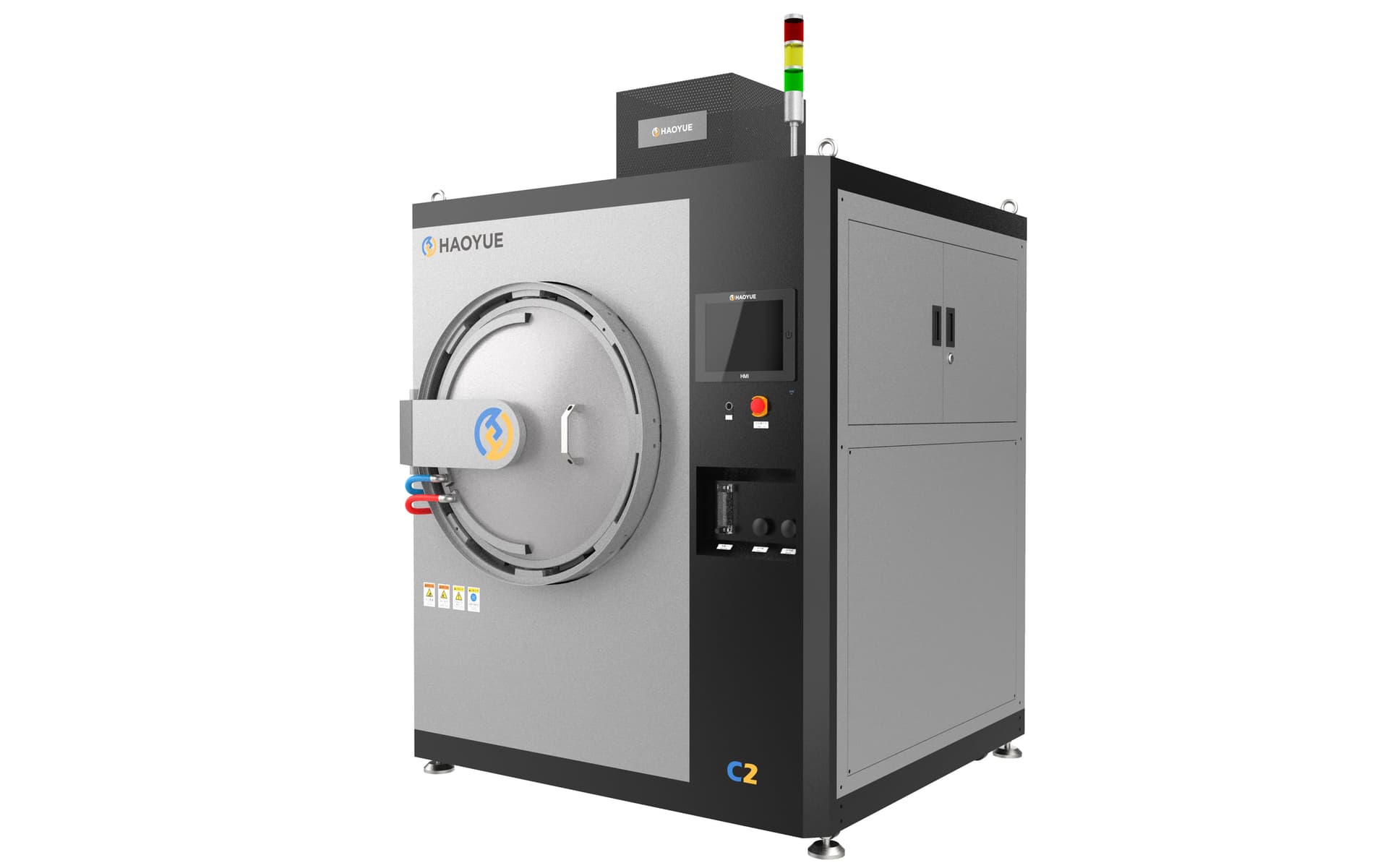
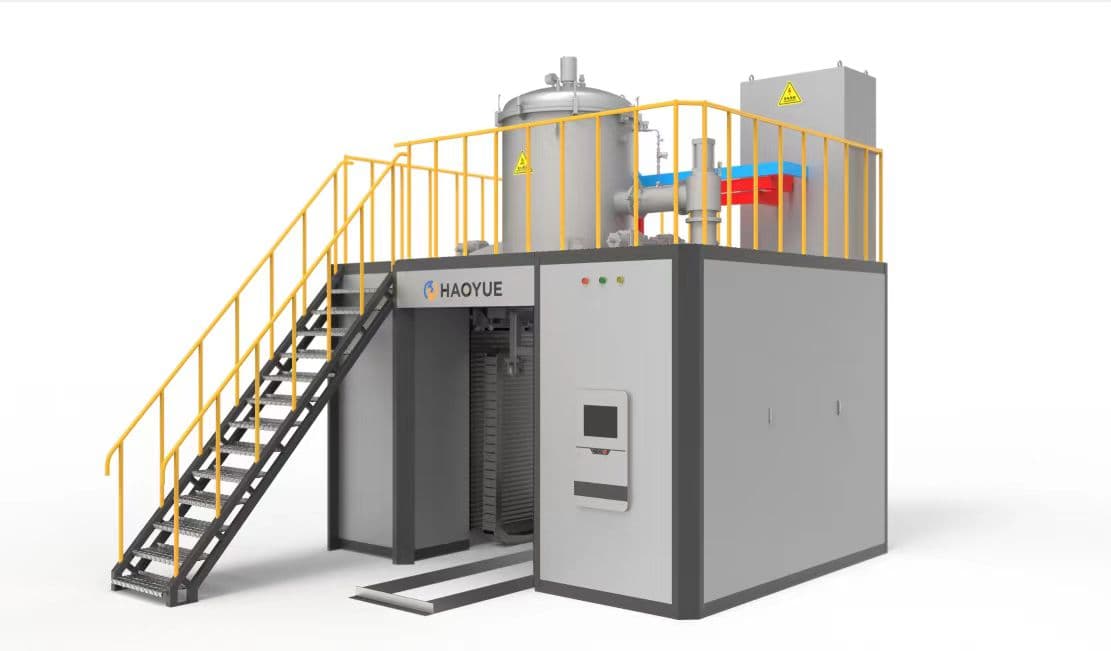
Use the C Series for chemical vapor deposition, chemical vapor infiltration, coating, densification, and composite process development with controlled precursor gas delivery.
Process window
Process definition
Chemical vapor deposition (CVD) deposits a solid layer from reactive precursor gases on a heated surface, while chemical vapor infiltration (CVI) uses the same chemistry to deposit matrix material inside a porous fiber preform, densifying carbon or ceramic composites over repeated cycles. Gas delivery, temperature, pressure, and exhaust treatment together control the deposition rate and uniformity.
Selection boundary
Inquiry inputs
FAQ
CVD builds a layer on a surface; CVI deposits material inside the pores of a preform to densify it. CVI cycles are usually longer because the gas must diffuse into the preform.
Typical materials include C/C composites, SiC fiber composites, carbon materials, and ceramic matrix composites, subject to review of the precursor chemistry and process window.
Define the process type, gas chemistry, temperature and pressure window, load size, and exhaust requirements. The CVD vs CVI furnace selection guide lists the inputs in more detail.
Next useful pages
Equipment gallery
Suitable materials
Typical applications
Models and scale-up
| Model | Scale | Temperature | Pressure / load | Atmosphere | Best for | |
|---|---|---|---|---|---|---|
| C1 | Lab / pilot | Project matched | No mechanical load | Process gas | Coating and infiltration trials | View model -> |
| C2 | Pilot / production | Up to 1600 C | No mechanical load | Process gas | Larger CVD/CVI campaigns | View model -> |
Next step
Response timing is confirmed after scope review.