
Process Comparison
CVD vs CVI: Choosing a Deposition or Infiltration Furnace
Compare surface deposition and porous-preform infiltration, then define the load, gas distribution and validation evidence for a CVD/CVI furnace review.
By Haoyue Technology
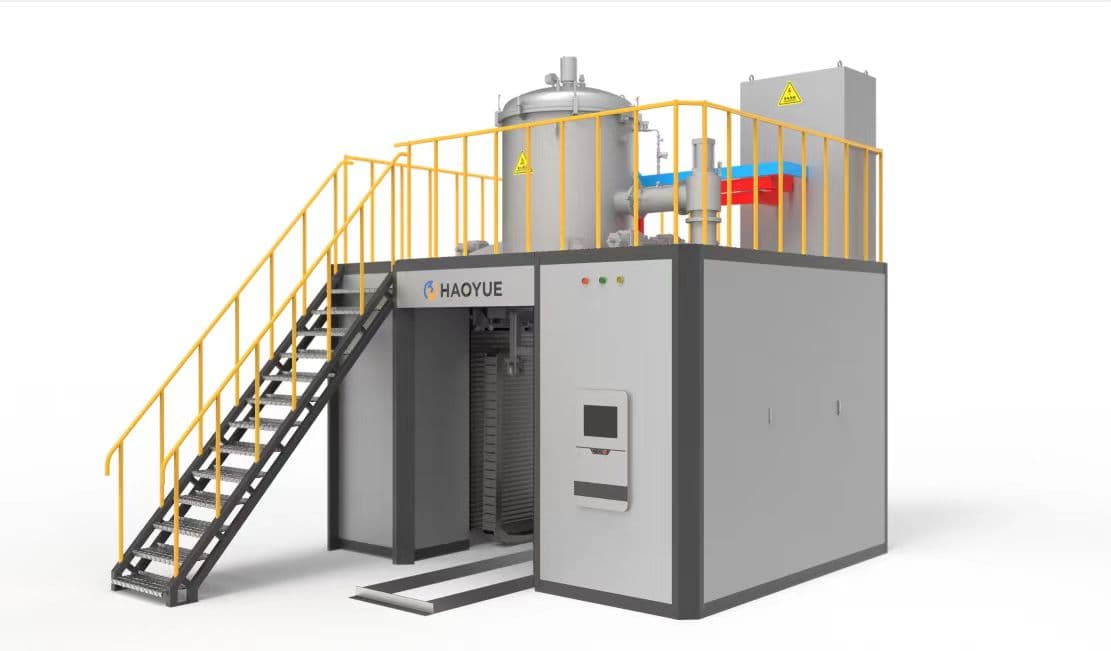
The main difference is where the material is deposited
Chemical vapor deposition, or CVD, forms a solid deposit on a surface through reactions involving gaseous precursors. Chemical vapor infiltration, or CVI, applies related deposition chemistry within an accessible porous structure. CVD projects commonly focus on a coating or deposited layer. CVI projects focus on introducing material through the pore network of a preform. The distinction changes how the load is described and how the result is measured.
For CVD, describe the surface and coating requirement
A coating brief should identify substrate material, geometry, the surfaces that require treatment and the intended coating function. Thickness distribution, adhesion, composition and surface condition may be relevant acceptance criteria, depending on the application. Include masking and fixture constraints. The furnace working volume must accommodate both the parts and the arrangement needed to expose their surfaces to the process, so the largest part dimension is only one selection input.
For CVI, describe the preform and internal result
An infiltration brief should include preform material, overall dimensions and available information on porosity and permeability. Access through the pore network affects how gaseous species reach internal surfaces. Deposition can progressively restrict that access, which means an external deposit does not by itself demonstrate internal densification. Define how the project will assess the internal result, such as an agreed density assessment or examination of representative sections, before selecting production acceptance criteria.
Review gas distribution and temperature together
Temperature distribution, gas transport, load arrangement and reaction behavior interact. A configuration that produces a useful result on a small sample may require further work when load size or quantity changes. Compare proposals using the same representative load and the same measurement plan. Ask how the supplier will document the usable process space and the limits of available trial evidence. Neither nominal chamber size nor maximum temperature is a complete measure of capability.
Include the complete process boundary
The equipment review should cover the reactor, precursor delivery interfaces, compatible materials, exhaust treatment responsibilities, monitoring and site utilities. The selected chemistry and its by-products determine the appropriate engineering review. Qualified specialists should establish chemical handling and protective requirements for the installation. A general selection guide cannot supply transferable recipes, gas settings or operating instructions for an unspecified chemistry.
Plan trials before setting throughput commitments
Start with a representative substrate or preform and a clearly defined inspection plan. Record what the trial demonstrates and what remains uncertain at a larger scale. Useful comparison inputs include load preparation, occupied process volume, the proposed batch pattern, inspection effort and maintenance access. Throughput and material quality should be agreed from project evidence instead of inferred from an equipment name. The C Series is the starting point for a configuration discussion, while laboratory assessment can help define the next validation step.
Explore the furnace families
Related equipment and application examples
Need a configuration review?
Send your material, temperature, pressure, atmosphere, and capacity requirements to Haoyue for a practical furnace recommendation.
Request Technical Proposal