
What usually blocks a hot-pressing quotation?
Missing die envelope, unclear load direction, or temperature and atmosphere inputs that do not match the tooling stack. Send the complete fixture drawing with the inquiry.
Vacuum hot pressing
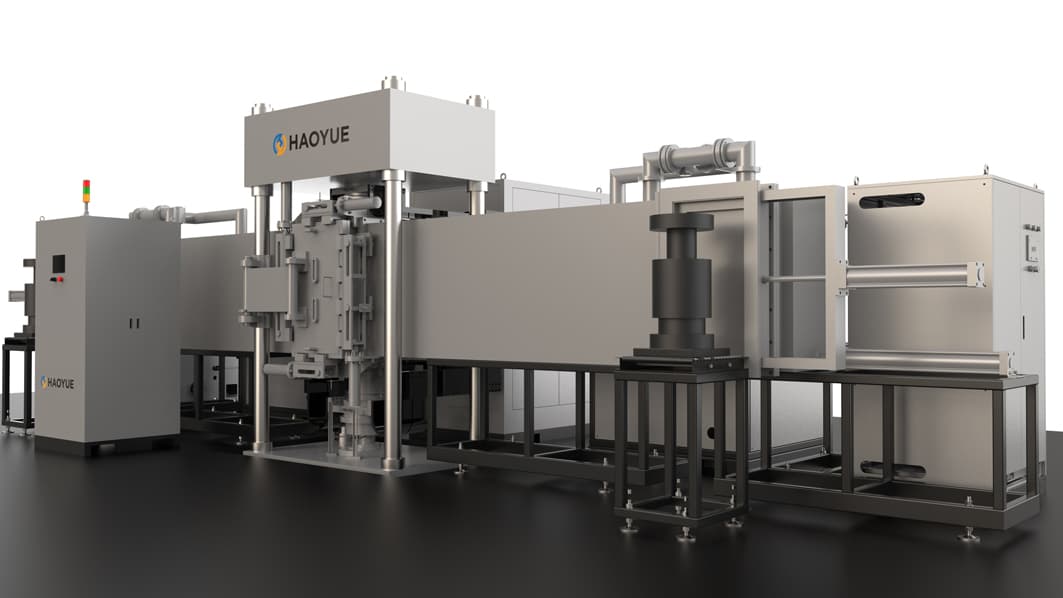
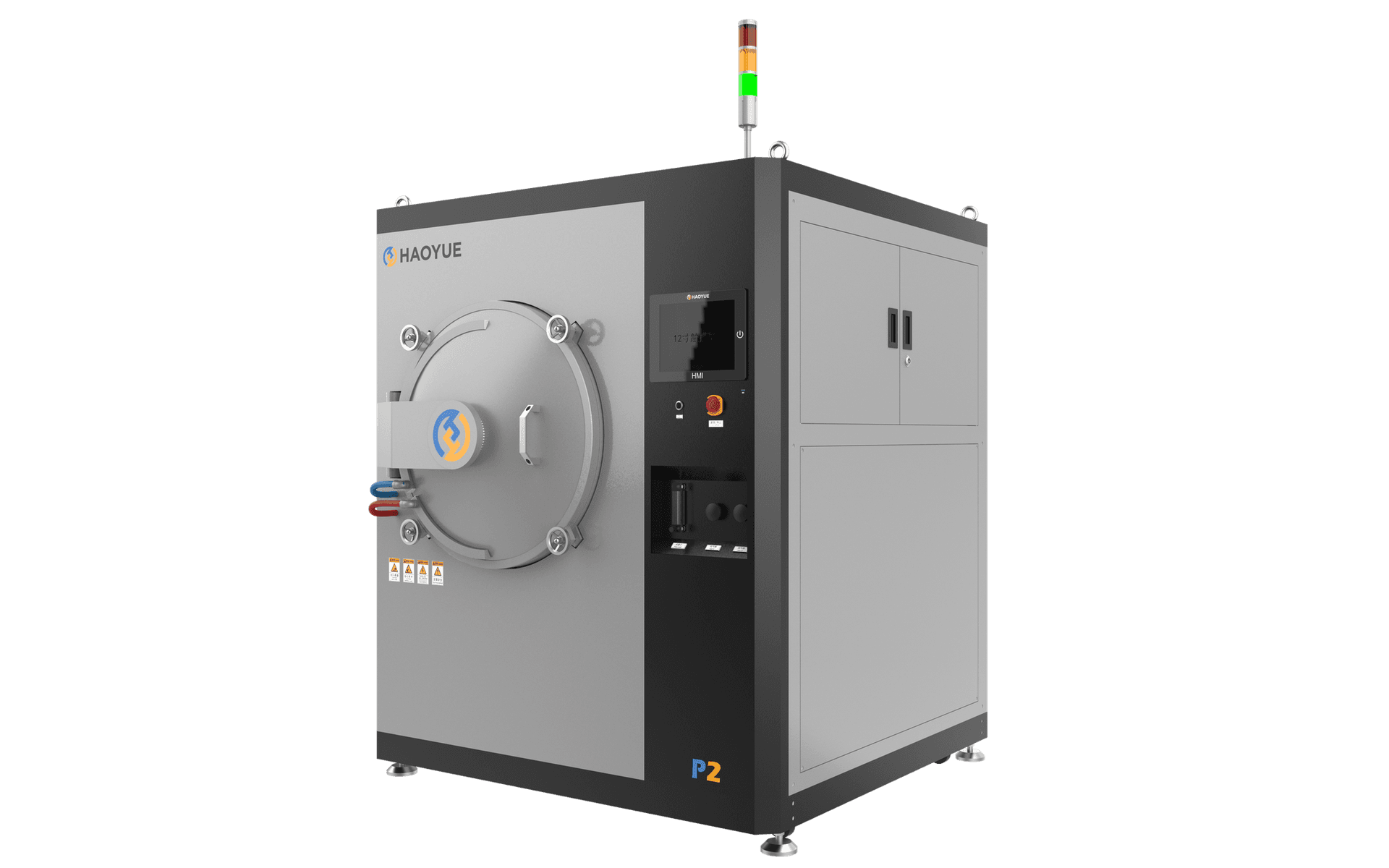
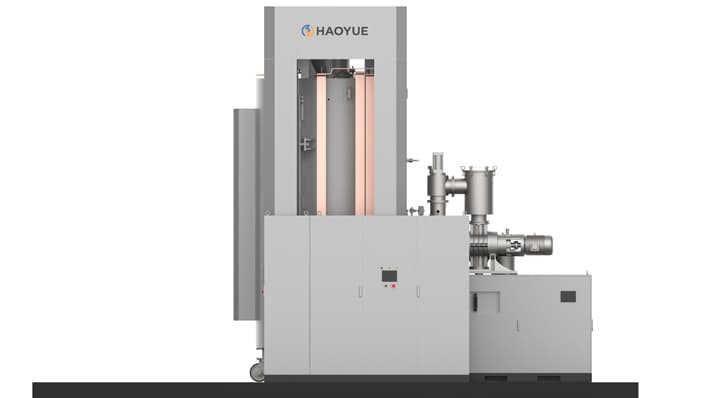
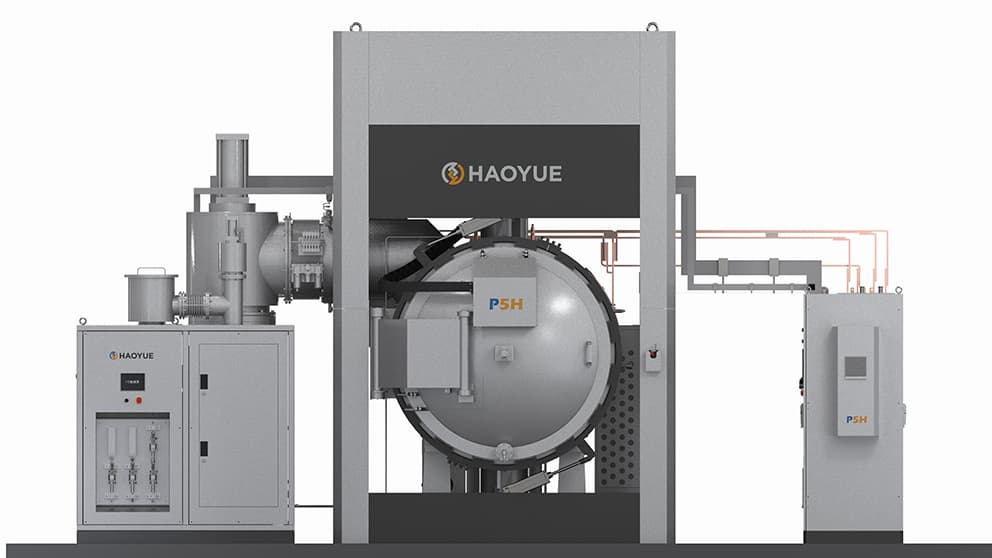
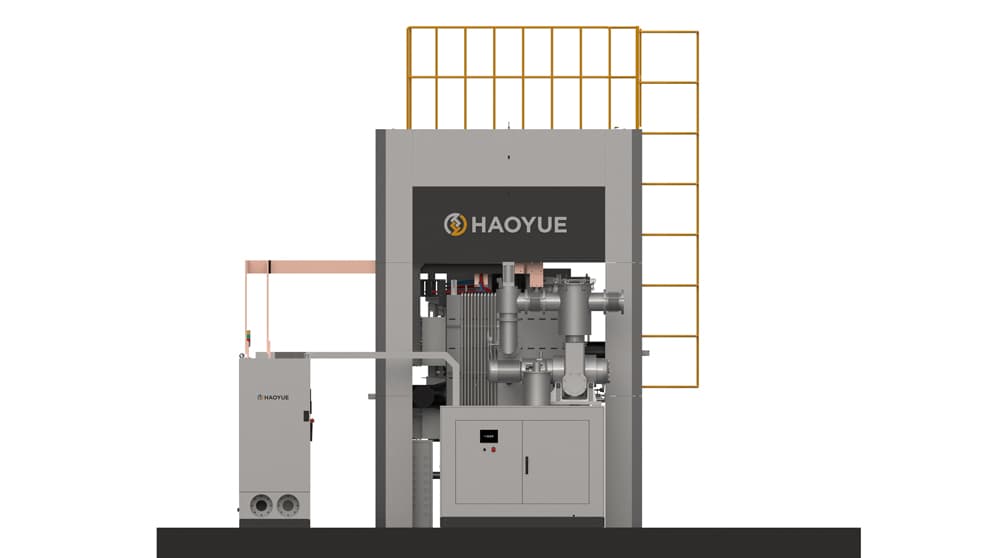
Use the P Series when heating, vacuum, and mechanical pressure must work together to consolidate ceramics, carbon materials, and powder metallurgy parts.
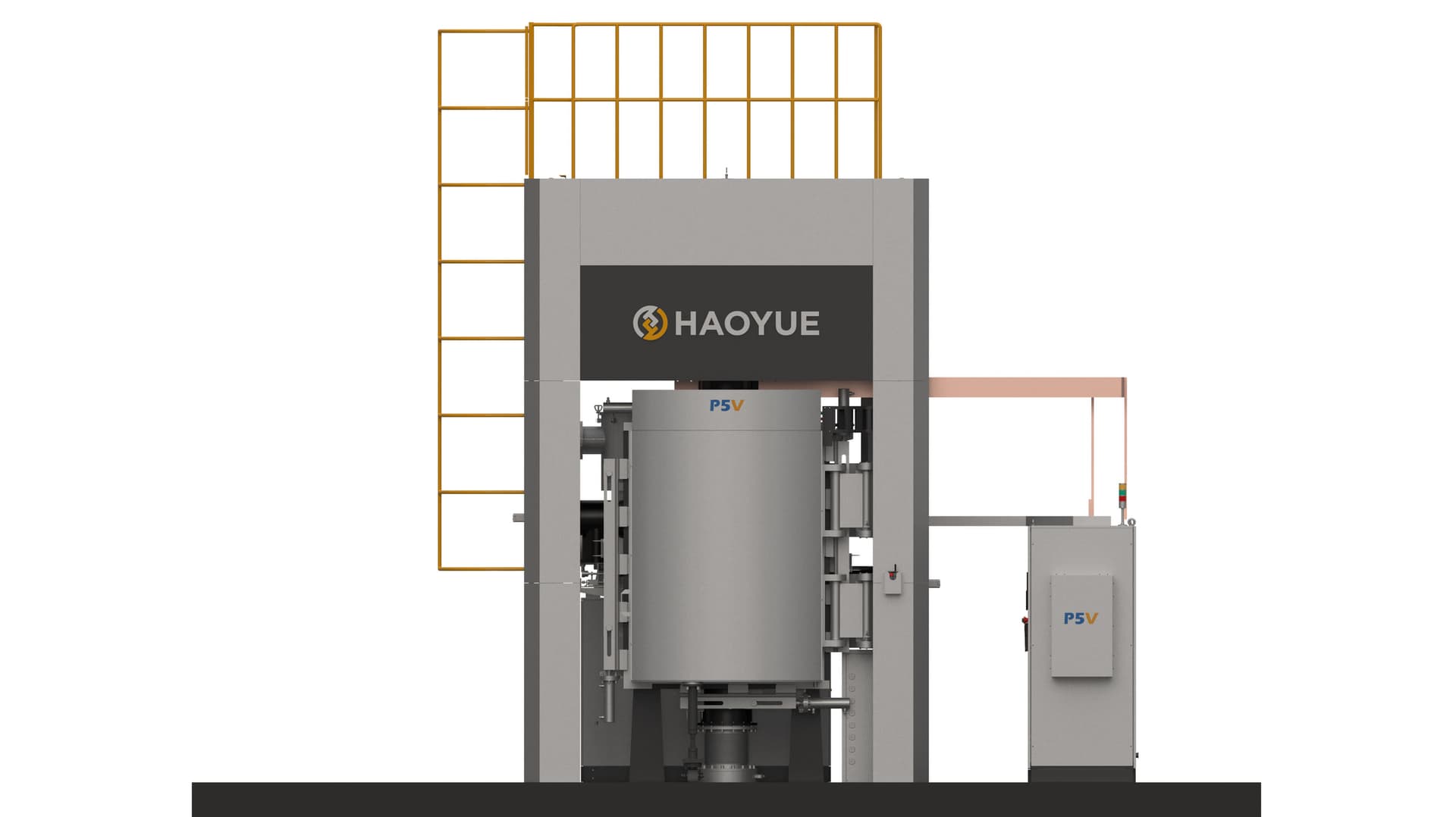
Process window
Process definition
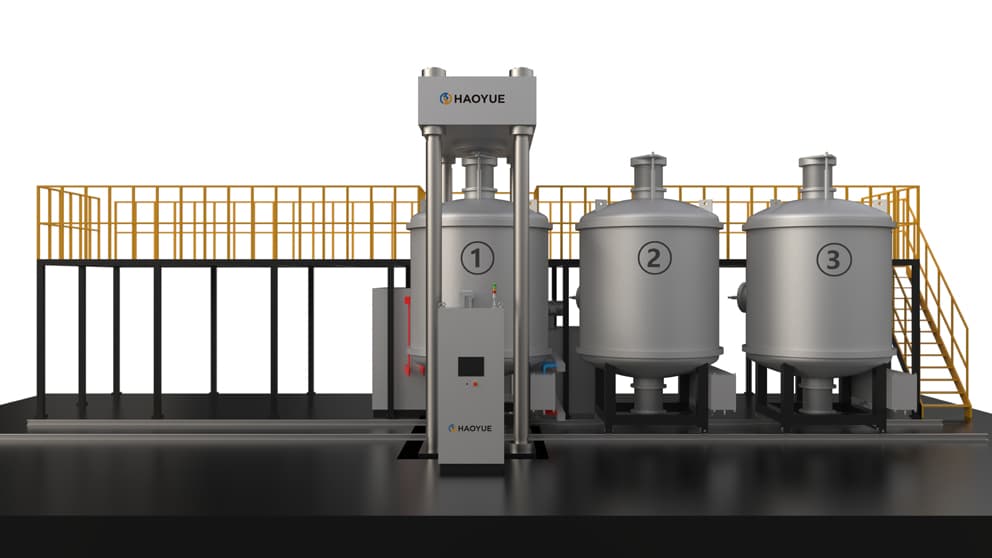
The P Series combines heating, vacuum or protective atmosphere, and mechanical pressing for densification of ceramics, carbon materials, and powder metallurgy parts. Load path, tooling, hot-zone material, and chamber arrangement are configured together.
Laboratory P models support screening and compact tooling; P3/P5-class systems extend load and work-zone for pilot parts; larger graphite hot-pressing configurations are reviewed for industrial envelopes. Numeric limits stay project matched.
Selection boundary
Inquiry inputs
FAQ
Missing die envelope, unclear load direction, or temperature and atmosphere inputs that do not match the tooling stack. Send the complete fixture drawing with the inquiry.
When heating, pressing, and cooling need better overlap for throughput, and utilities plus safety interfaces can support the layout.
Hot pressing applies direct mechanical load through tooling. Gas pressure sintering uses overpressure gas without the same uniaxial die path.
Next useful pages
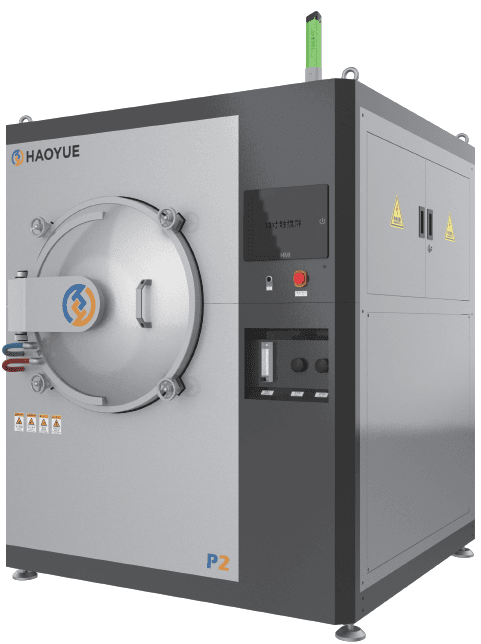
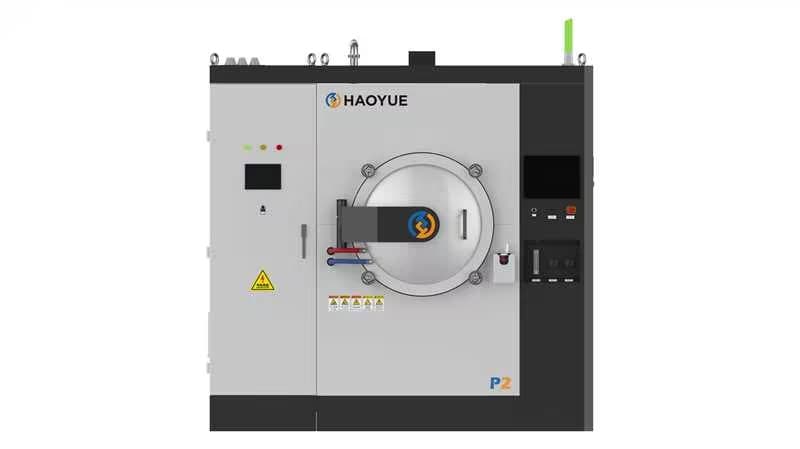
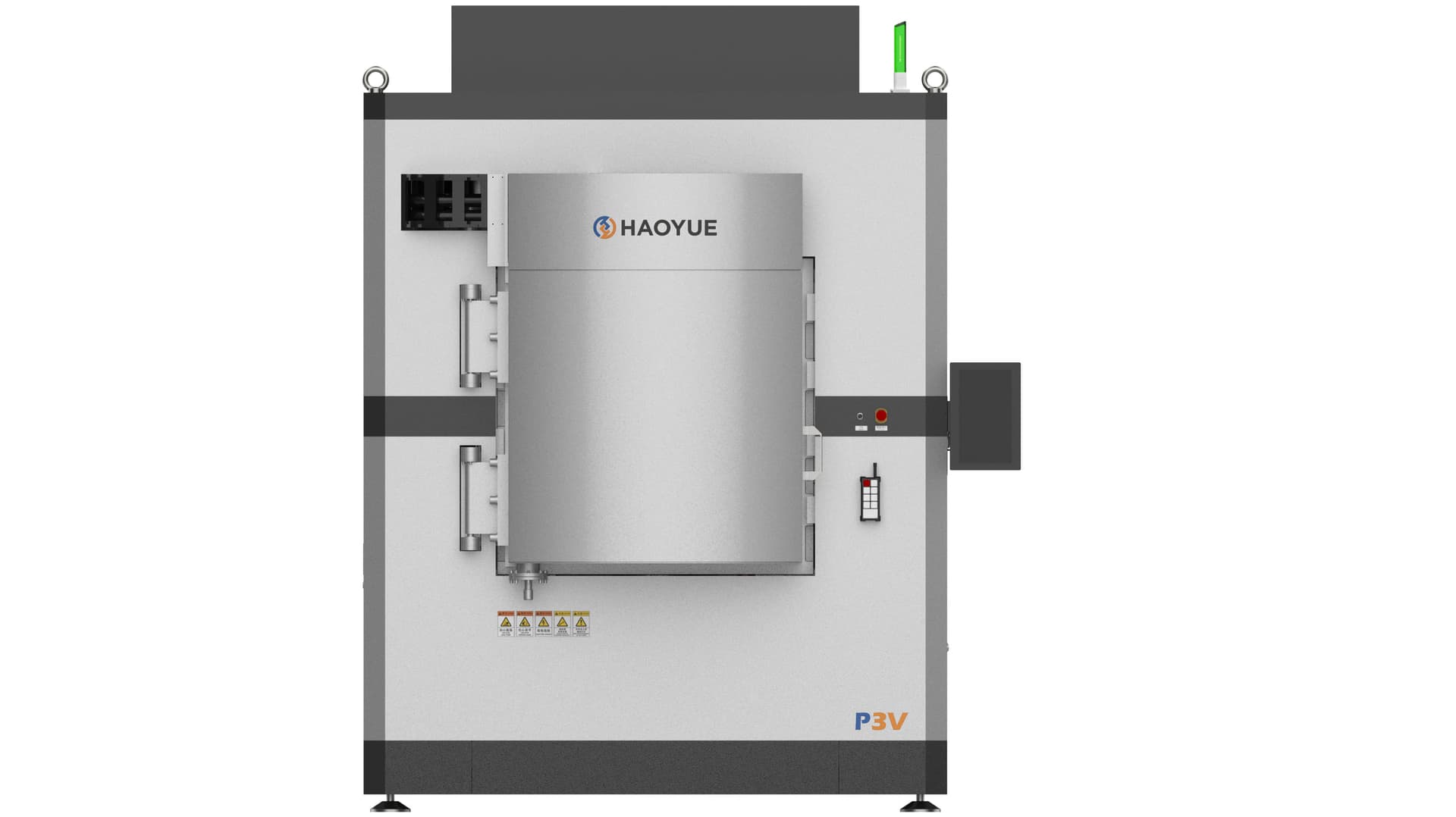
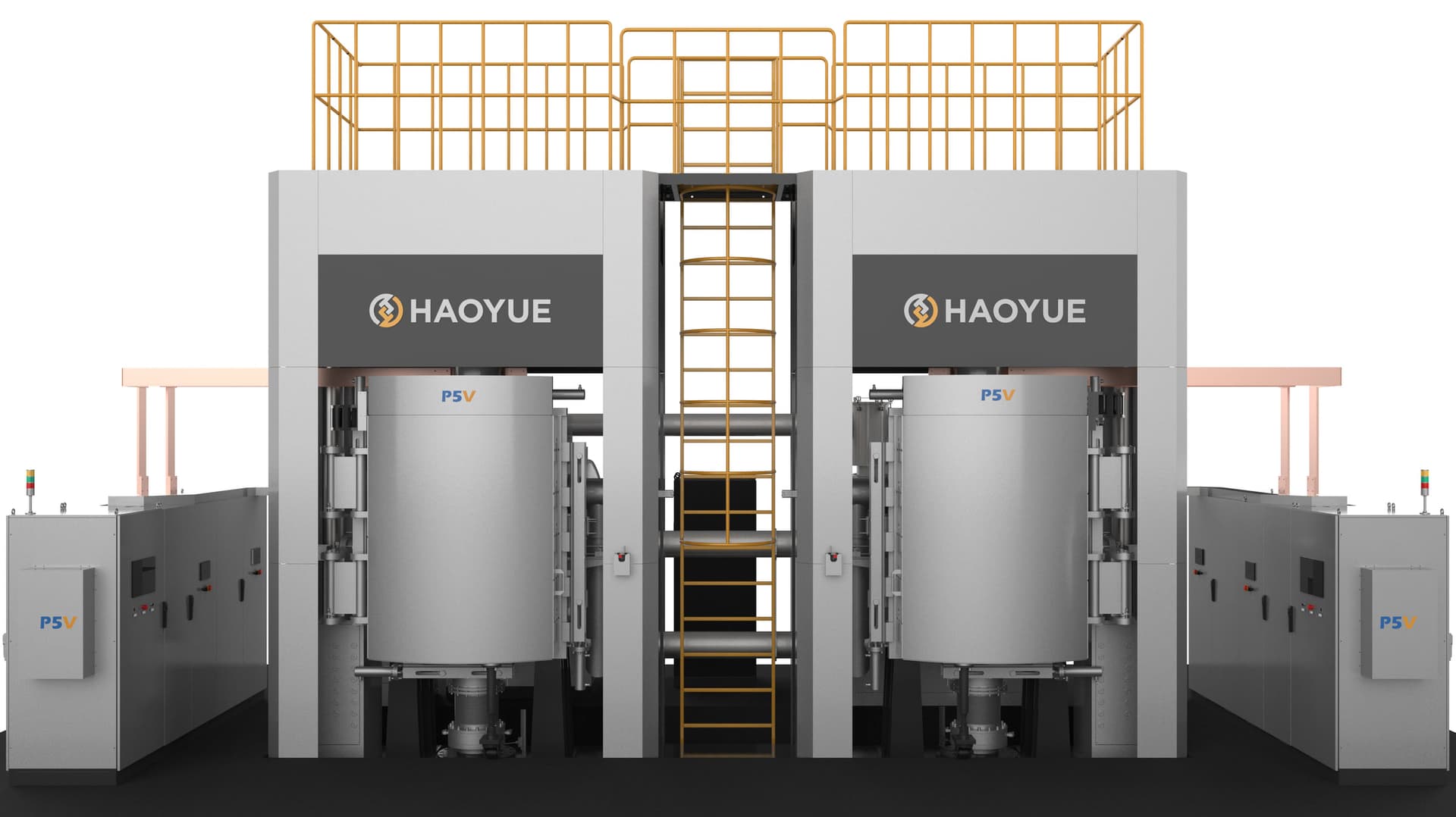
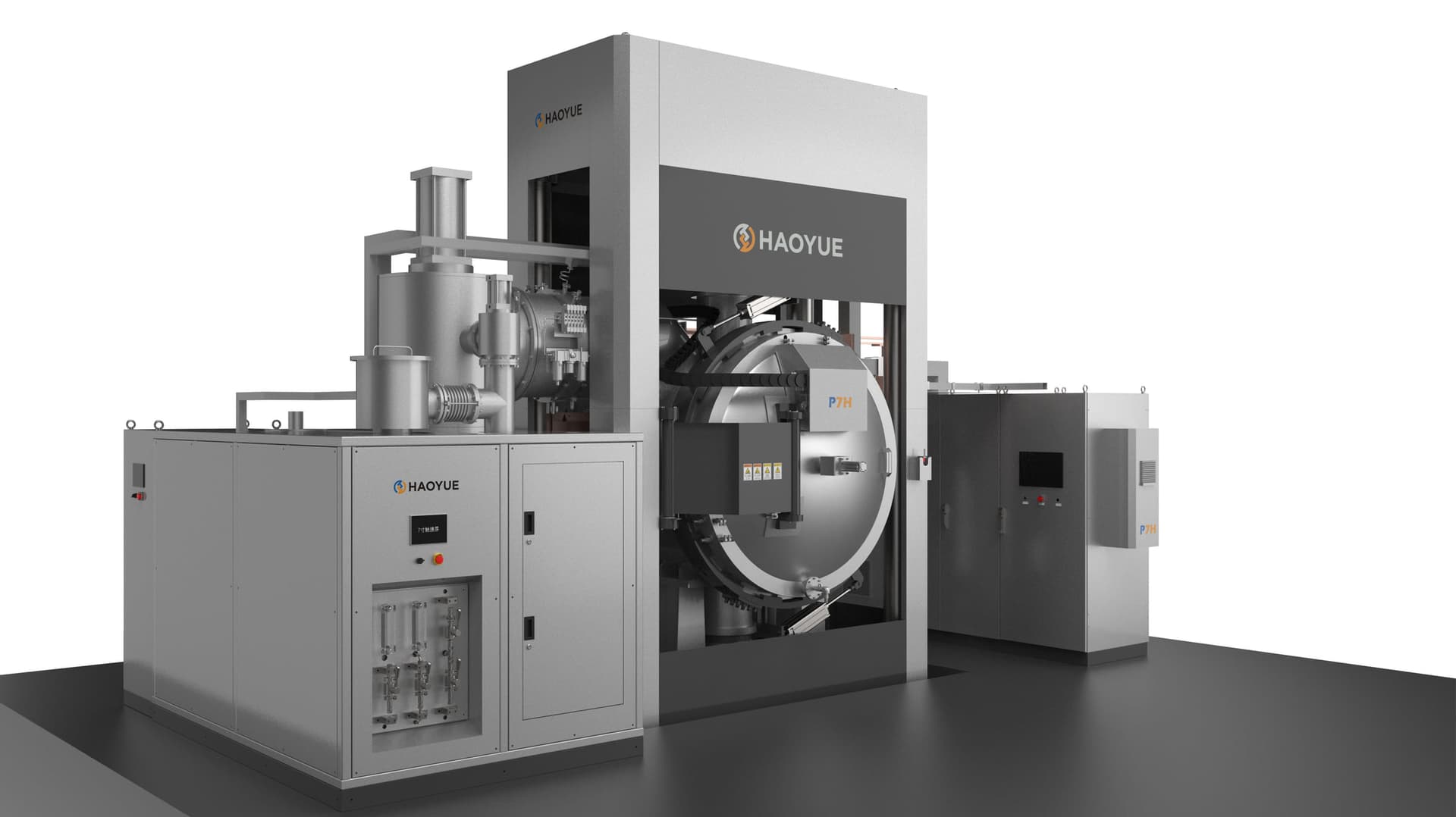
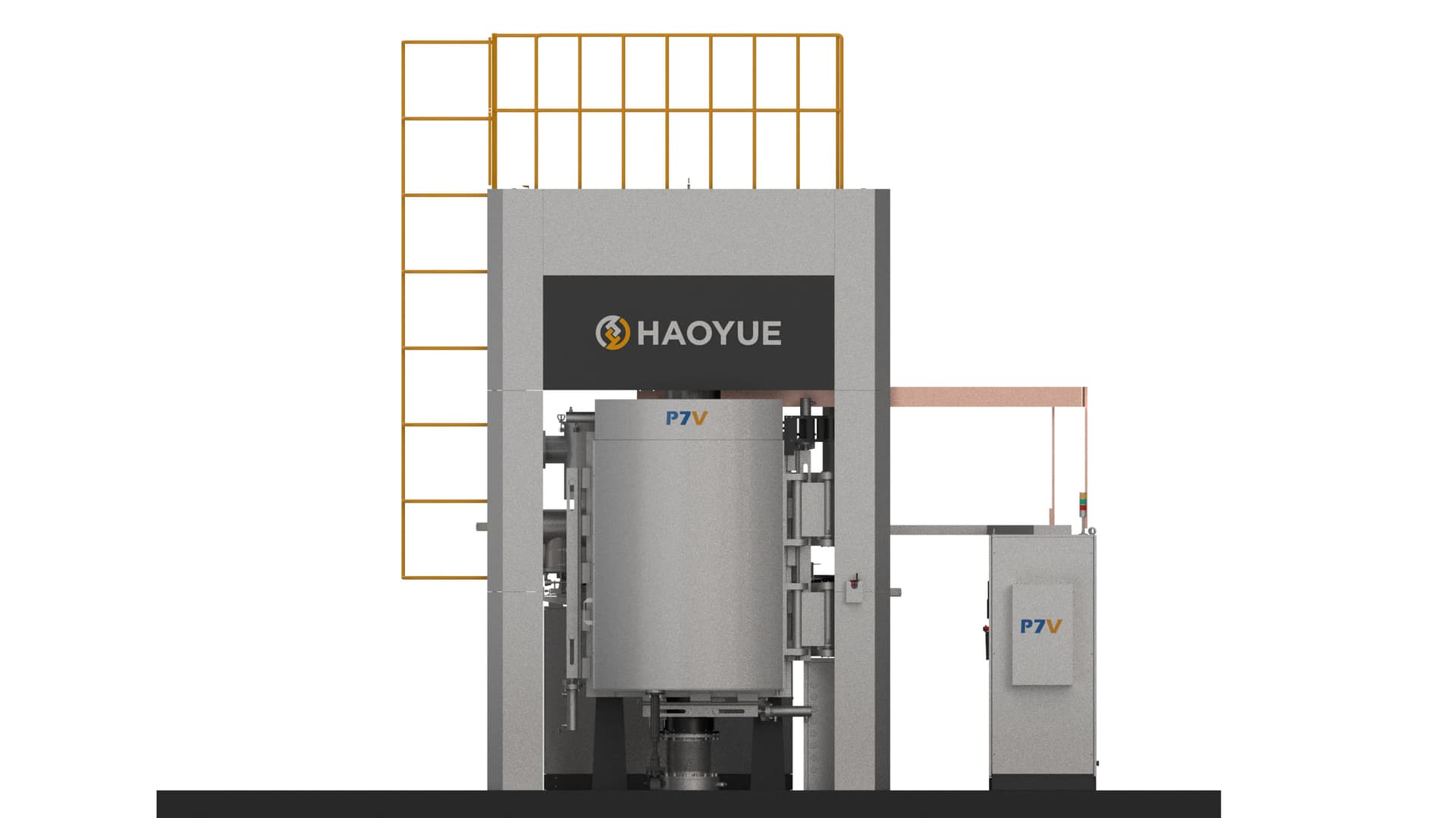
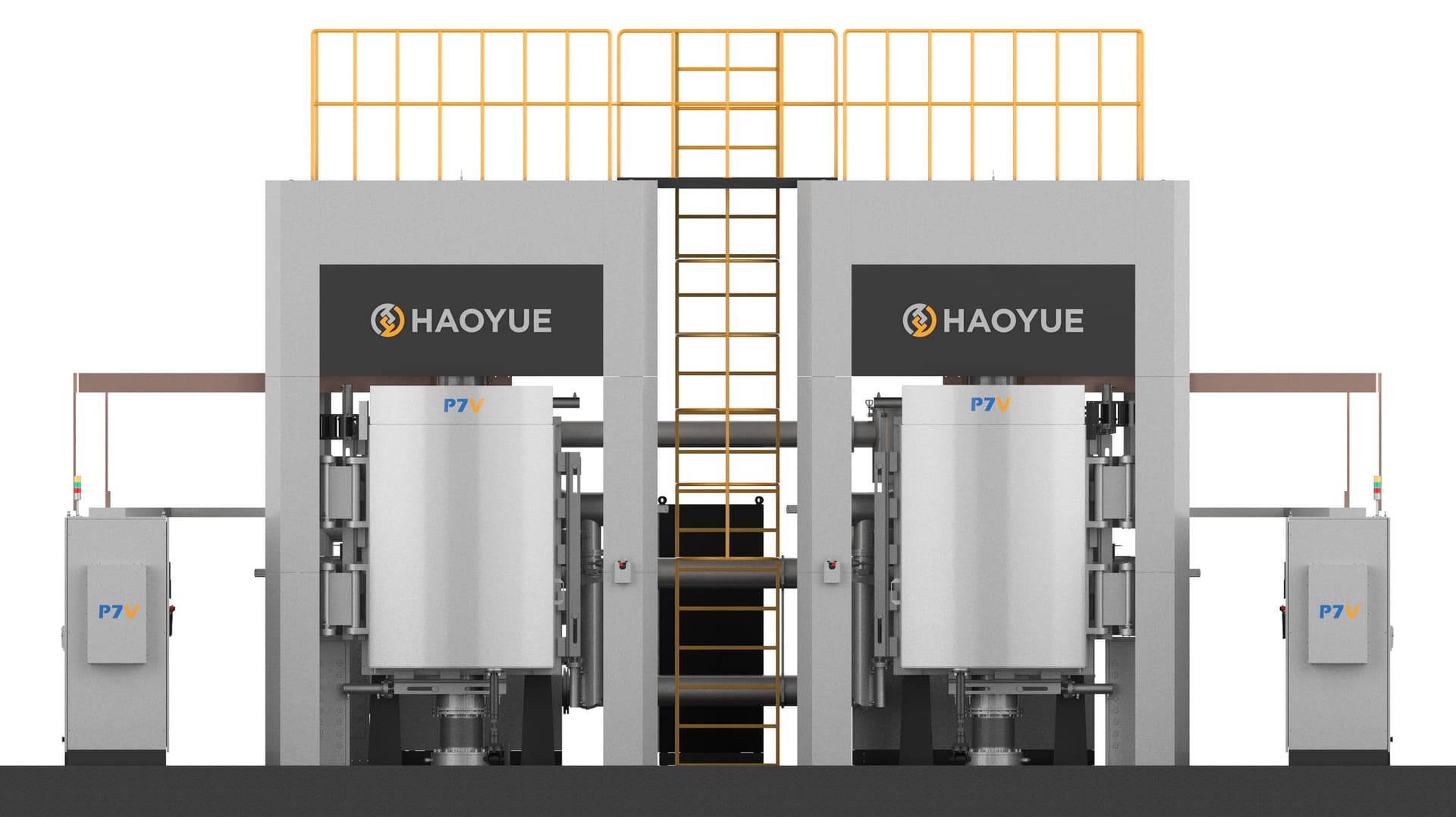
Equipment gallery
Suitable materials
Typical applications
Models and scale-up
| Model | Scale | Temperature | Pressure / load | Atmosphere | Best for | |
|---|---|---|---|---|---|---|
| P2 | Lab | Project matched | Lab pressing | Vacuum / inert gas | Laboratory hot pressing | View model -> |
| P2CO | Lab / pilot | Project matched | Compact pressing | Vacuum / inert gas | Compact pressure sintering | View model -> |
| P3V | Pilot | Project matched | Pilot pressing | Vacuum / inert gas | Vertical hot pressing | View model -> |
| P5V | Pilot / production | Project matched | 300t / 400t class | Vacuum / inert gas | Larger hot pressing parts | View model -> |
| P7H | Production | Project matched | Production pressing | Vacuum / inert gas | Industrial graphite hot pressing | View model -> |
Next step
A practical checklist for matching temperature, load, chamber size, atmosphere, tooling, and production scale before requesting a hot pressing furnace proposal.
A specification-led comparison of spark plasma sintering and vacuum hot pressing, including heating behavior, load path, tooling, atmosphere, scale, and the information engineers need before selecting a furnace.
A practical guide for choosing between a vacuum furnace and a vacuum hot pressing furnace for ceramics, metals, composites, and powder materials.
Response timing is confirmed after scope review.