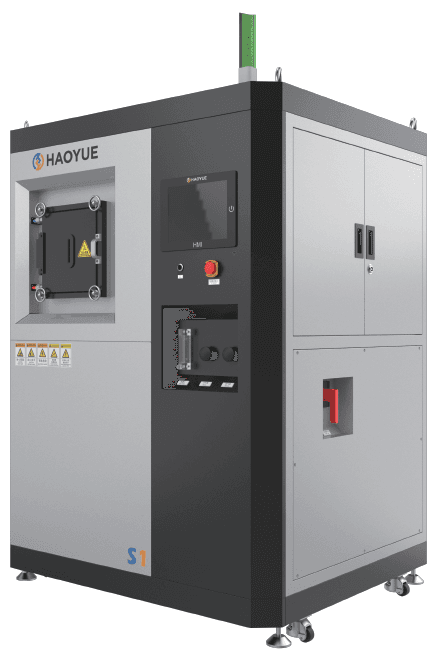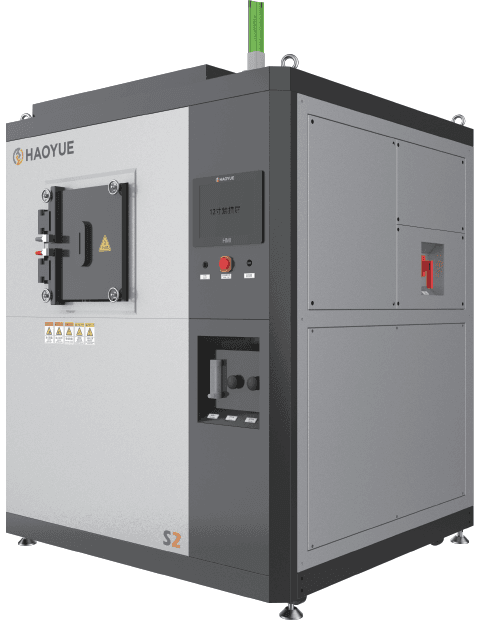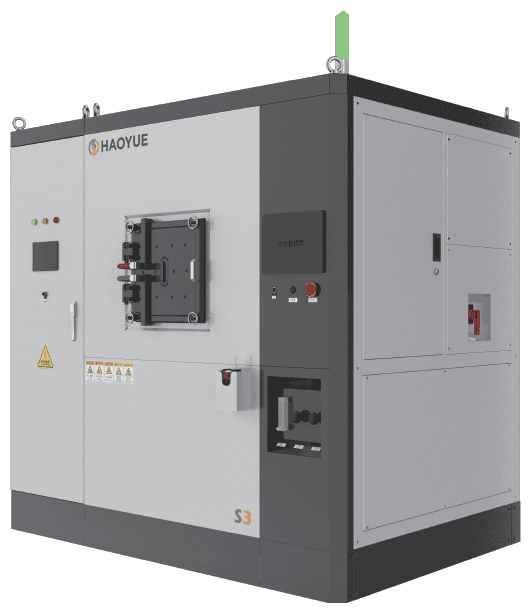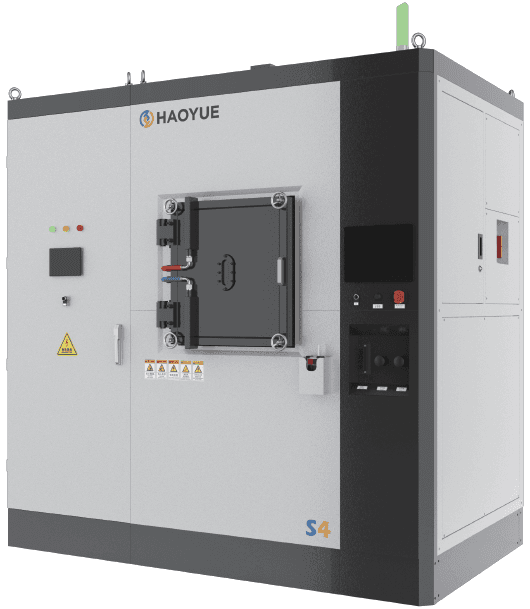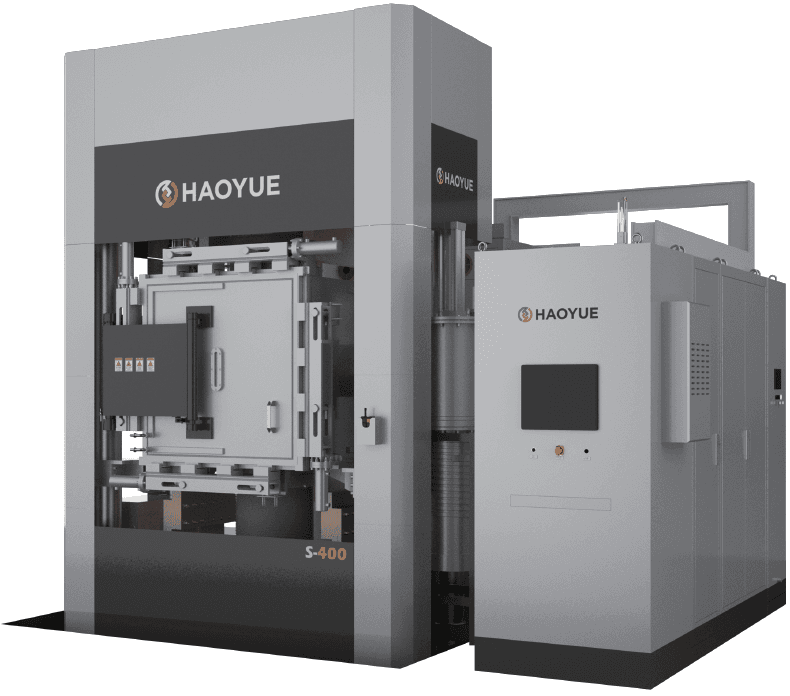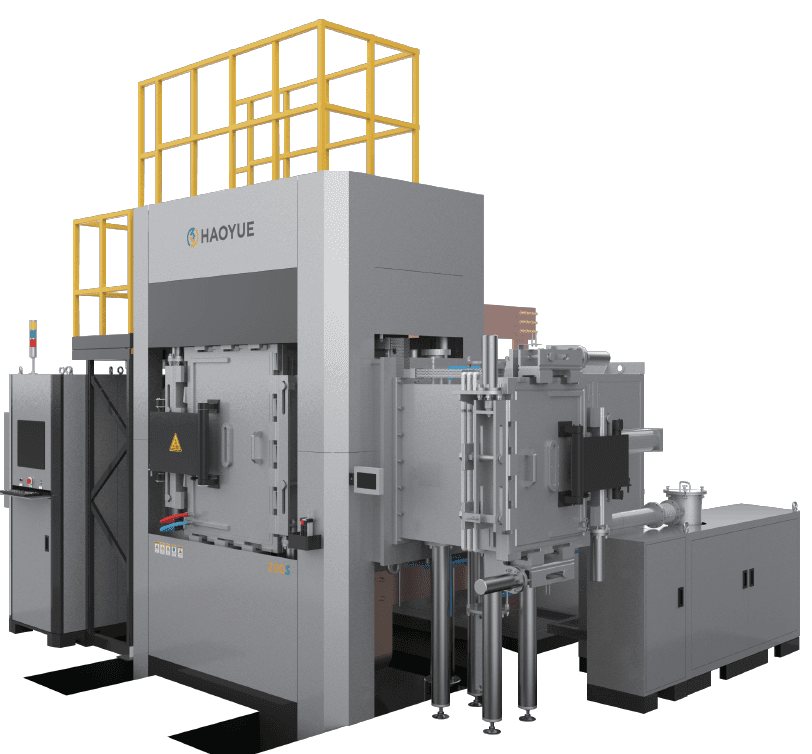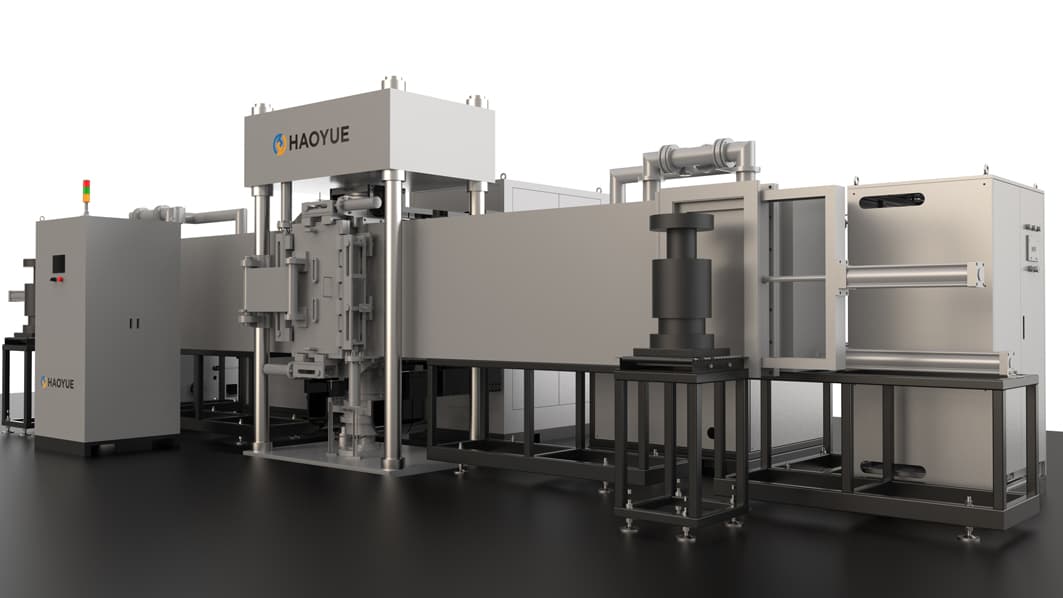
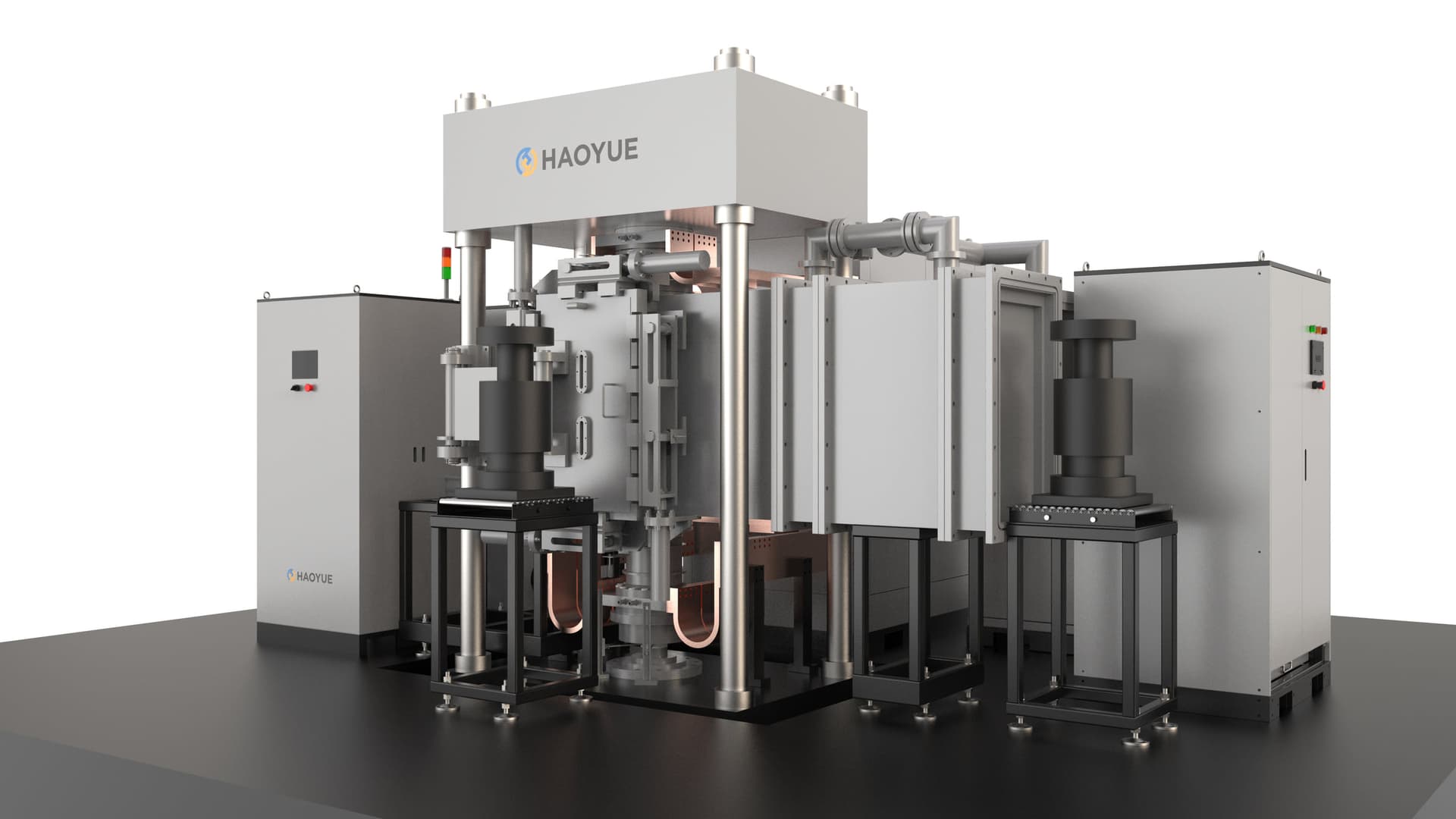
S series SPS System
Spark Plasma Sintering (SPS), also called Field Assisted Sintering Technology (FAST), is an advanced powder consolidation technique for the rapid densification of metallic, ceramic and composite materials by applying pulsed direct current (DC) and uniaxial pressure simultaneously. SPS is a powder processing technique that produces localized joule heating in the die and the powder compact itself, which is different from the conventional furnace-based sintering process that requires external heating. This leads to very high heat rates, less thermal exposure and much improved densification kinetics. The process allows the formation of materials with near full density, controllable microstructure and very little grain growth, with enhanced mechanical, thermal and electrical properties. The S Series Spark Plasma Sintering System is designed to provide high precision, repeatability and process stability in both advanced research laboratories and for industrial production of next-generation materials. The S Series is designed to provide material versatility, operational stability and process control accuracy. It combines high-tech thermal, mechanical and electrical controls to guarantee repeatable sintering performance for a wide variety of materials. Key features include: High-speed pulsed DC power supply for fast joule heating Advanced uniaxial pressure loading system with precise control Refractory materials with ultra-high temperature endurance. Vacuum and controlled atmosphere compatibility (Argon/Nitrogen) PLC-based intelligent automation system for full process control Temperature, pressure and displacement monitoring in real time High efficiency energy transfer - graphite tooling compatibility Flexible application requirements with modular chamber design. Multi-layer safety interlocking system for operational protection Process analysis and repeatability validation system using data acquisition. The S Series is manufactured to deliver constant thermal gradients and superior reproducibility, ideal for both R&D experimentation and pilot-scale production applications. The conventional sintering technologies generally need long heating times and high temperatures to densify the materials. Traditional hot pressing systems have drawbacks. the high energy consumption, slow heating rate and uneven temperature distribution caused by external heat transfer of radiation and thermal conductivity. Spark Plasma Sintering (SPS) technology overcomes these limitations by generating heat within the graphite tooling and powder compact through pulsed DC current. This field-assisted sintering process provides rapid densification, high thermal efficiency and exceptional material performance in much shorter processing times. Some major advantages of SPS technology include: Ultra-Fast Heating Capability: With the direct flow of pulsed current, extremely fast heating rates can be achieved, which results in better production efficiency, lower thermal stress on materials, and reduction of processing time. Lower Sintering Temperatures: The electric current combined with the applied pressure allows the densification to be done at a lower temperature than in conventional sintering techniques, which helps to keep the integrity of the material. Improved Microstructural Control: A shorter thermal exposure reduces excess grain growth, which leads to fine-grained and high-density materials having superior mechanical properties. Higher Energy Efficiency: Localized heating would result in a massive reduction in energy loss and operation costs as compared to conventional furnace heating systems. Enhanced Densification Performance: By using SPS technology, ceramics, metals and composite materials can become near-theoretical density, enhancing the structural stability and performance of materials. Spark Plasma Sintering (SPS) is a fast densification process in which powder is inserted into a conductive graphite die, pressed uniaxially and exposed to a high pulsed direct current. 1. Joule Heating (Primary Mechanism): It is the main mechanism in which the electrical current is directed into the heat of the die and compact. This allows for extremely high heating rates (up to 100 - 1000 °C/min), much more rapid than the sintering rates of conventional furnaces. 2. Spark plasma discharge at grain boundaries: The second effect that is commonly linked to SPS is localized spark/discharge activity occurring at the particle contact locations. These transient effects can be made to remove surface oxides and contaminants, which can enhance particle bonding and activation – but the exact role of “plasma” remains contentious. 3. Uniaxial Pressure: Lastly, uniaxial pressure is applied at the same time as the heating. It facilitates particle rearrangement, increases mass transport and helps close pores in an efficient manner. Spark Plasma Sintering significantly outperforms conventional hot pressing in terms of efficiency, material quality, and process flexibility. Compared to hot pressing, which relies 100% on external heat transfer, SPS allows for direct energy transfer into the material system, resulting in faster reaction kinetics and improved material performance. The S Series Spark Plasma Sintering (SPS) system is mainly used for producing high-performance materials with precise structural control. It is widely used in high-hardness and high-temperature-resistant parts of the advanced ceramics industry (alumina, zirconia, silicon carbide, and boron carbide) and in aerospace & defense in structural parts of lightweight, refractory metals and high-temperature composite materials. It also plays a significant role in powder metallurgy production of titanium and tungsten; the electronics & semiconductors industry related to producing conductive ceramics and functional materials; and the energy storage sectors related to batteries and thermoelectric materials. Further, it is commonly used in R&D and universities for research in nanomaterials and advanced materials. Customized configurations are available according to material characteristics, production capacity, and research requirements. The Haoyue S Series SPS System is designed to meet the precision, operational stability, and high-efficiency material processing demanded by enterprises. The system features high-quality industrial components and intelligent automation technology and provides stable sintering performance for ceramics, metals, composites and functional materials. It heats up very quickly and is capable of precise pressure control, and it is easy to configure for research laboratories and industrial production environments. It is designed to maximize system densities, minimize processing time, and provide greater control of the micro-structure, thereby delivering better material performance in the system with greater efficiency. The Haoyue S Series offers reliable support for next-generation material development and high-performance manufacturing applications with strong engineering support, flexible customization options and advanced SPS processing technology. Submit your material and production requirements — our engineers will recommend the right S Series configuration within 48 hours. Advanced ceramics (alumina, zirconia, silicon carbide, and boron carbide), refractory metals (titanium and tungsten), and composite materials are all materials that can be processed on SPS systems. It is also frequently applied in functional materials, such as electronics, energy storage, and thermoelectrics. Compared with conventional heating methods, the internal Joule heating in SPS is accomplished by pulsed DC current. This leads to significant reduction in processing temperatures, heating rates, sintering times, energy consumption and control on the microstructure and density. SPS is commonly utilized to fabricate advanced ceramics, components for aerospace and defense, powder metallurgy, electronics and semiconductors, and energy storage materials such as batteries and thermoelectrics. It is also widely used in research and development and in higher education to develop nanomaterials and advanced materials.Spark Plasma Sintering — S Series
Key Features of the S Series SPS System
Advantages of SPS Technology
Working Principle of Spark Plasma Sintering
Comparison with Conventional Hot Pressing
Industrial Applications
Technical Specifications
Why Choose Haoyue S Series SPS System?
Get a Quote
FAQs
What materials can be processed using an SPS system?
How is SPS different from conventional hot pressing or furnace sintering?
What are the main industrial applications of SPS systems?