Spark plasma sintering

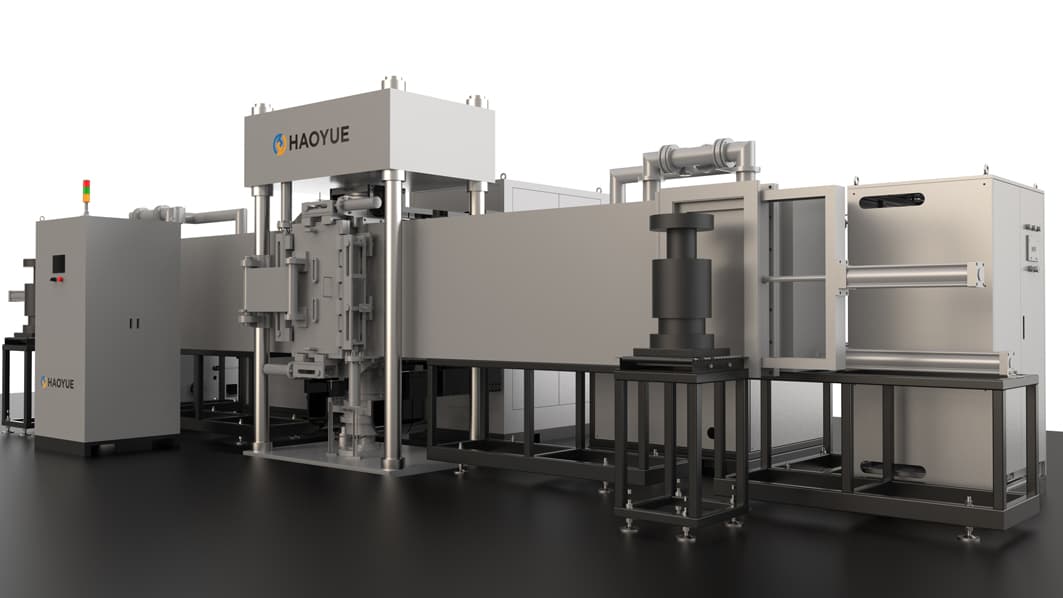
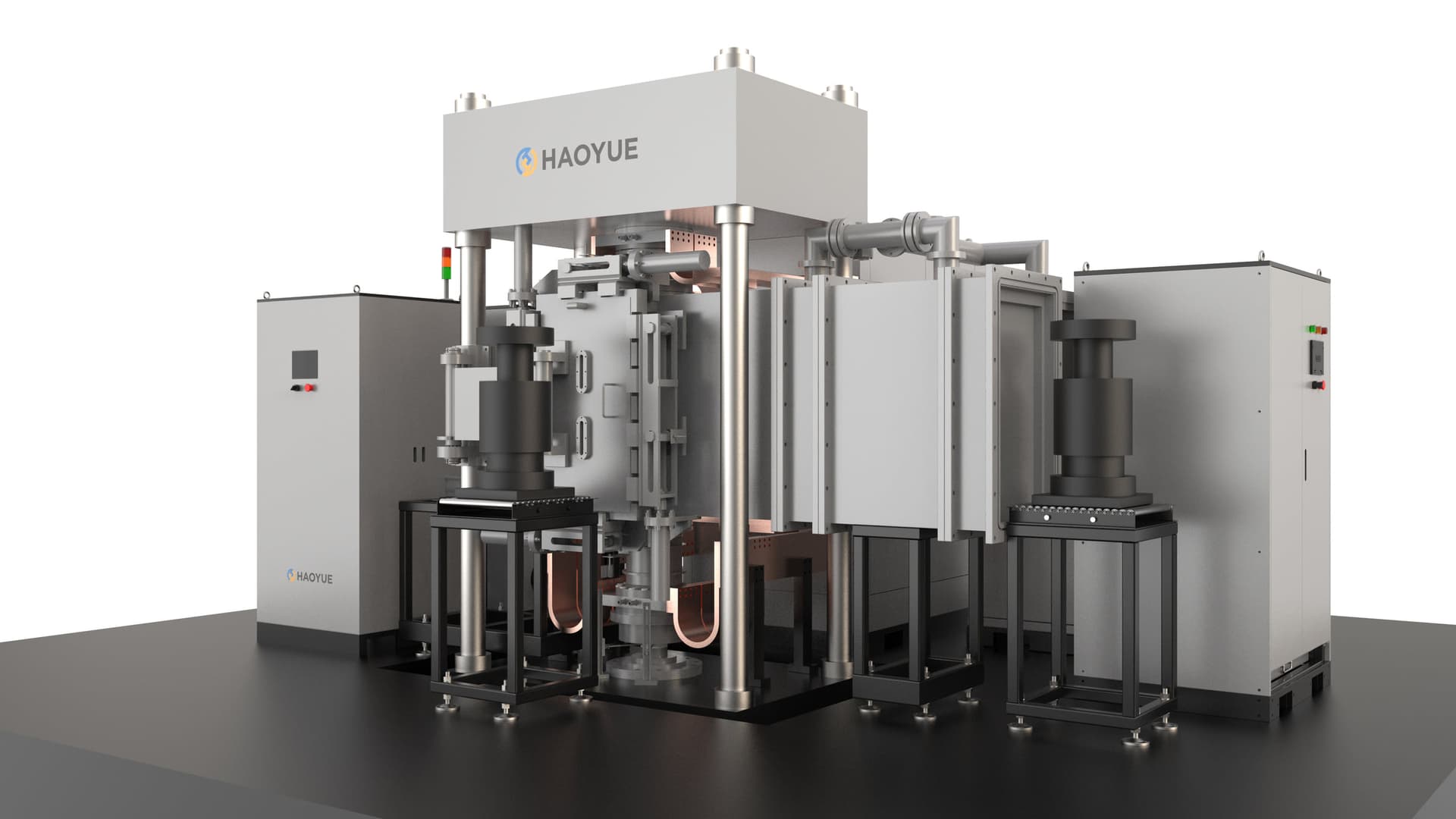
S Series SPS systems for rapid densification and material development.

Use the S Series when the process requires fast heating, pressure-assisted sintering, and controlled vacuum or inert atmosphere for advanced powder materials.

Spark plasma sintering equipment
S-SERIES

Process window

What this family is built to control.

01

Fast thermal cycles

02

Pressure-assisted densification

03

Vacuum or inert atmosphere

04

Lab to production scale

Process definition

What this family is for.

The S Series is Haoyue's spark plasma sintering family for rapid, pressure-assisted densification under vacuum or inert atmosphere. Pulsed current, uniaxial load, tooling, and atmosphere are reviewed as one process window rather than as isolated catalogue limits.

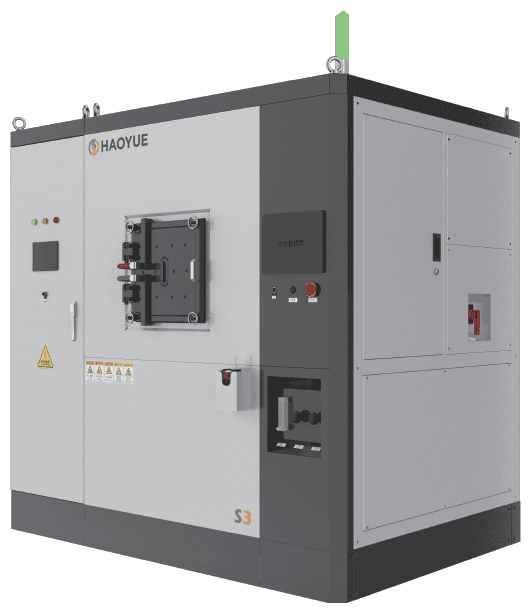
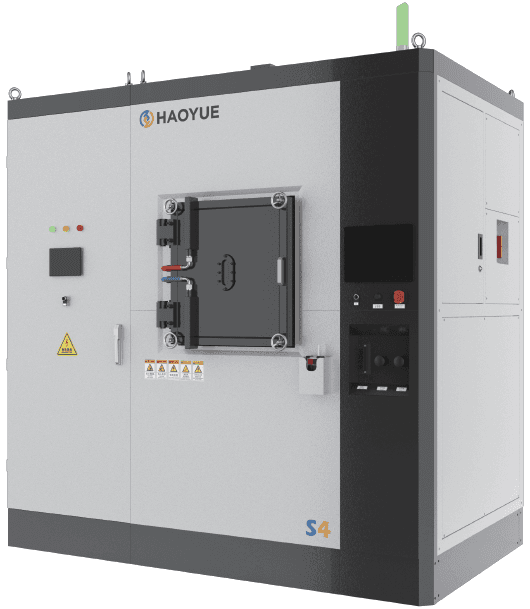
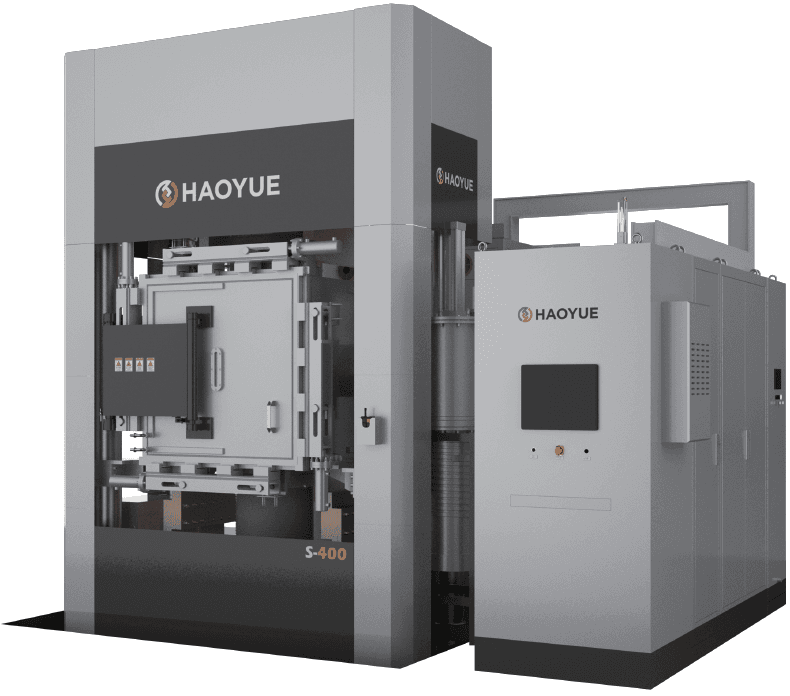
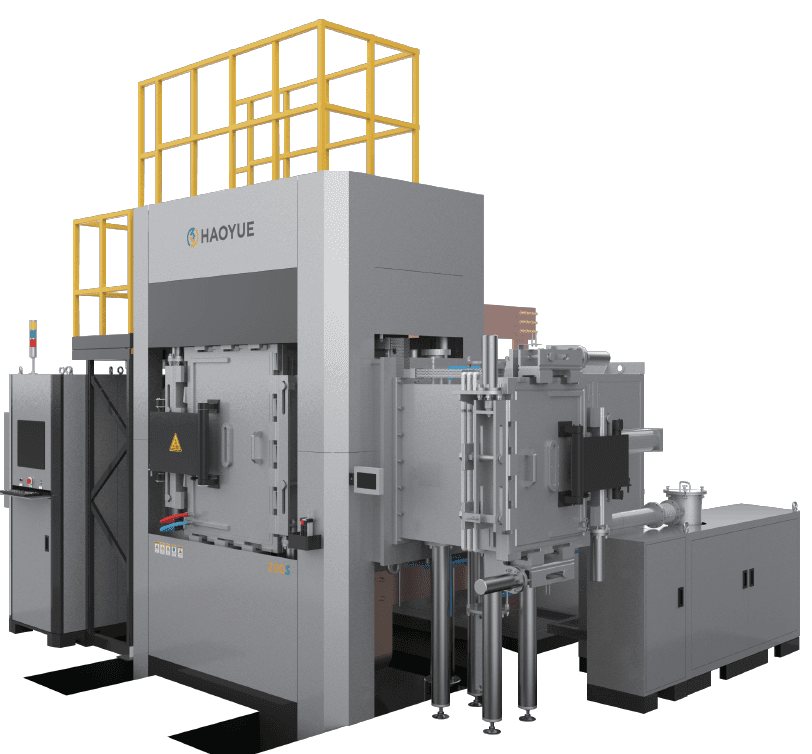
S1-S4 cover laboratory and pilot development. S-150, S-200, S-300, S-400 and semi-continuous variants are industrial platforms for larger tooling, repeatable batches and production throughput. Exact limits remain project matched.

Selection boundary

When to choose this family.

  • Choose SPS when rapid thermal cycles, conductive tooling, and compact pressure-assisted densification are central to the project.
  • Prefer vacuum hot pressing instead when larger dies, longer mechanical holds, or a resistance-heated hot zone fit the route better.
  • Move up the S1-S4 ladder only after sample size, load, and throughput intent are clear.
  • Keep custom continuous or induction-assisted variants for confirmed scale-up needs, not as a default first buy.

Inquiry inputs

What to prepare before quotation.

  1. 01Material system and target density or microstructure goal
  2. 02Die or sample diameter, height, and tooling stack
  3. 03Target temperature, hold strategy, and measurement method
  4. 04Pressing load, atmosphere (vacuum / Ar / N2), and utility limits
  5. 05Laboratory, pilot, or production throughput intent

FAQ

Questions buyers ask before model comparison.

Is SPS always faster than hot pressing?

SPS often enables short cycles for suitable conductive tooling and powder systems, but cycle time still depends on material, die design, and the programmed profile. Compare the full process window instead of a single heating-rate claim.
Which SPS model should I start with?

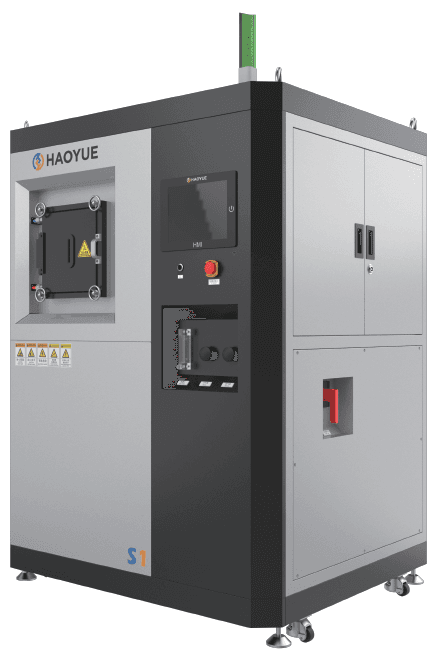
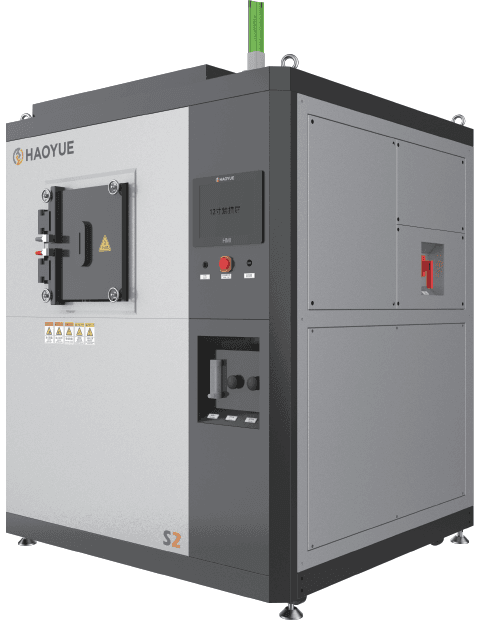
Start from sample or die size, load need, and whether the work is screening, pilot, or production-oriented. S1 is the usual laboratory entry; larger models follow only after the process inputs are clear.

What should an inquiry include?

Material, target temperature, load, die size, atmosphere, measurement method, and expected capacity are the most useful inputs for an SPS configuration review.

Suitable materials

SiCAlNZrO2powder metallurgyfunctional ceramicscomposites

Typical applications

Advanced ceramicsPowder metallurgySemiconductor materialsResearch institutes

Models and scale-up

Start small. Configure for the stage you are in.

Discuss the right model

Laboratory and pilot models

ModelScaleTemperaturePressure / loadAtmosphereBest for
S1Lab R&DUp to 2200 CLab-scale pressingVacuum / inert gasSmall samples and process explorationView model ->
S2Lab / pilotUp to 2200 CMedium loadVacuum / inert gasUniversities and pilot trialsView model ->
S3PilotUp to 2200 CHigher loadVacuum / inert gasLarger tooling and repeatable testsView model ->
S4PilotUp to 2200 CHigher loadVacuum / inert gasScale-up trials and repeatable validationView model ->

Industrial and production models

ModelScaleTemperaturePressure / loadAtmosphereBest for
S-150IndustrialUp to 2200 C1000 kNVacuum / inert gasIndustrial SPS with a 150 mm product envelopeView model ->
S-200IndustrialUp to 2200 C2000 kNVacuum / inert gasIndustrial SPS with a 200 mm product envelopeView model ->
S-300IndustrialUp to 2200 C2500 kNVacuum / inert gasIndustrial SPS with a 300 mm product envelopeView model ->
S-400IndustrialUp to 2200 C4000 kNVacuum / inert gasLarge industrial SPS tooling and batch developmentView model ->
S-200SProductionProject matchedSemi-continuousVacuum / inert gasHigher throughput SPS workflowsView model ->

Next step

Bring the material and target. We will review the route.

Start review ↗